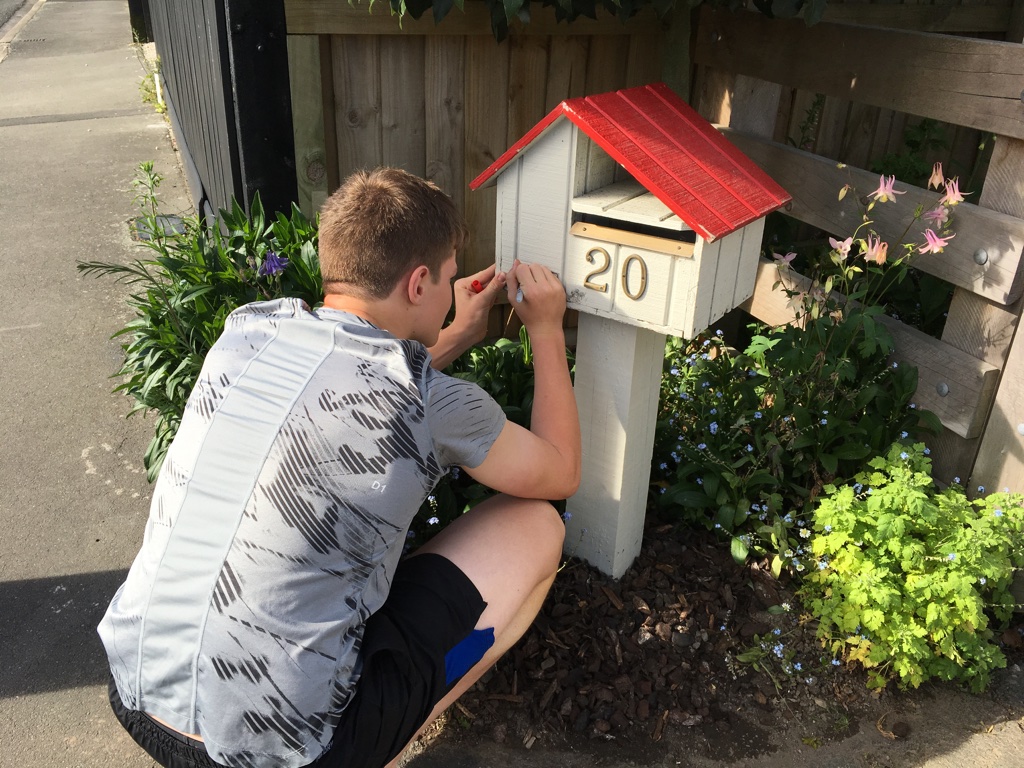
This was my letterbox in the early 2000s. It was not new when this photo was taken, as the brass lip of the letter slot is tarnished. I bought it from the Mitre 10 store which used to be just around the corner until the earthquakes. I painted the letterbox to match the house.
There was a space at the back for milk bottles. We still had glass bottle deliveries of milk, although only three days a week when this photo was taken, until they finally stopped in 2009.
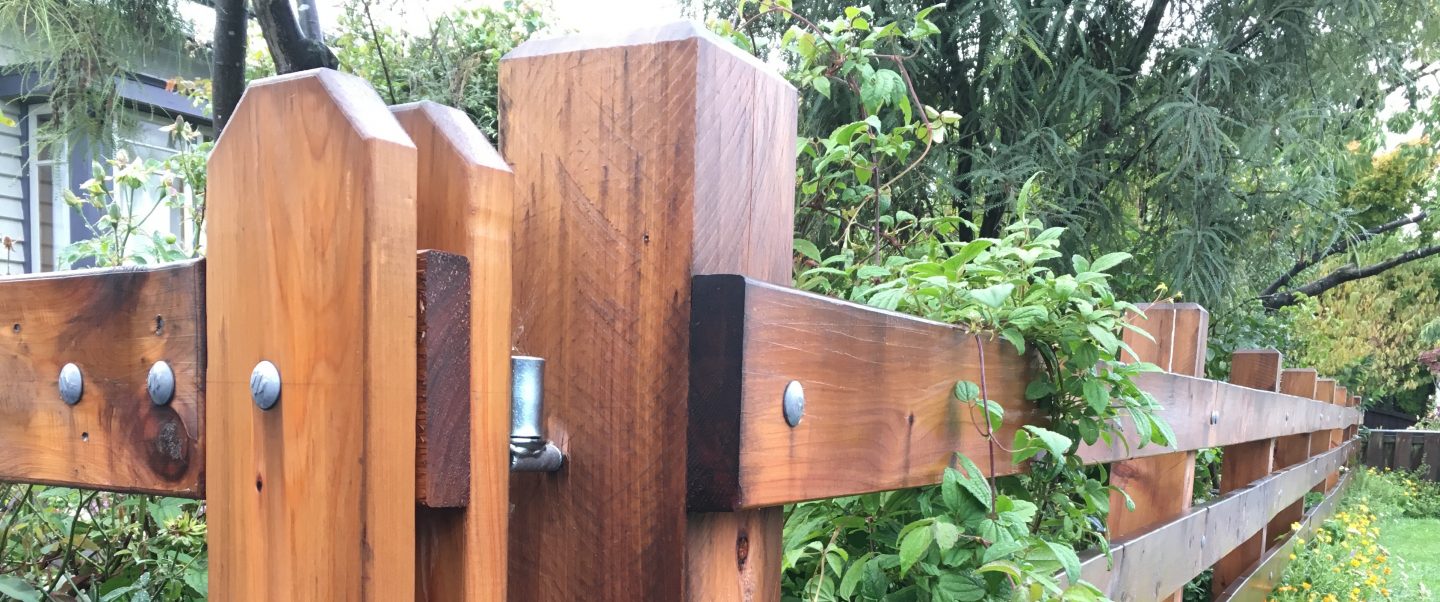
After my new fence was built in 2018, my nephew sank a sturdy post into the ground and secured the letterbox to it.
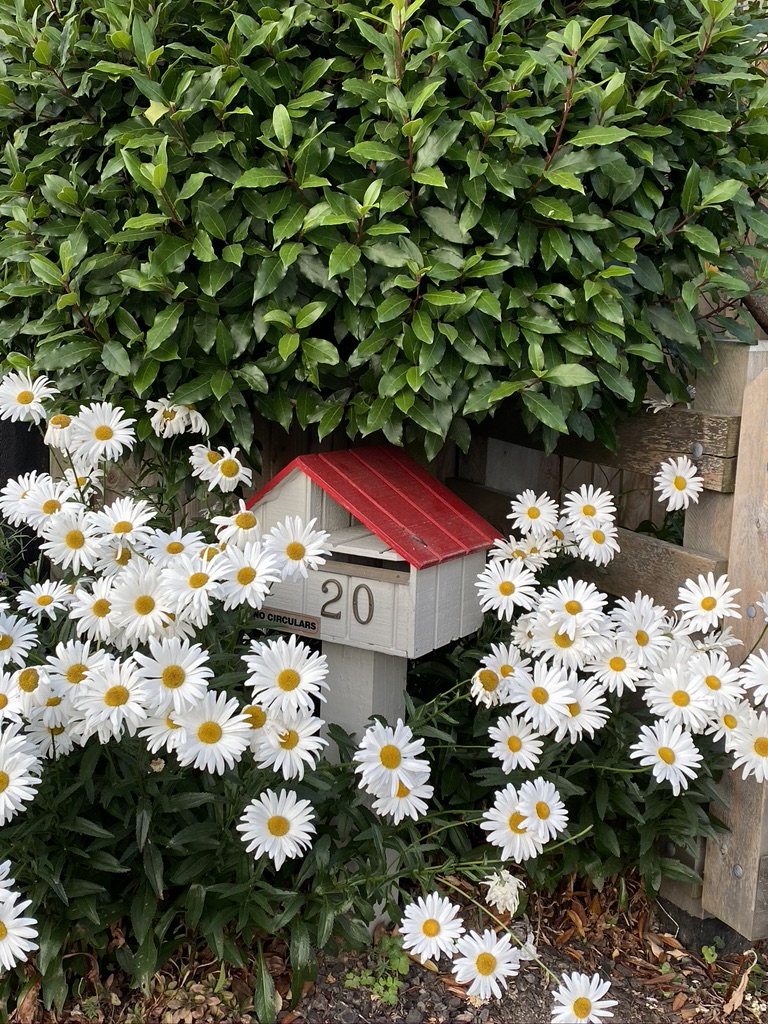
It has served me well in that spot, with a self-seeded bay tree sheltering it and shasta daisies flowering around it in summer.
This year, in October, a neighbour from the social housing complex nearby, took exception to it for some reason perhaps not even known to himself, kicking the letterbox off its post and smashing it beyond repair.
My nephew took it away and put an ordinary metal letterbox in its place.
On Christmas Day I received a new letterbox my nephew had modelled on the old one. Instead of the milk bottle compartment it has a larger space for letters, with a new handle and a firm latch at the back.
The original brass lip and brass numbers have been polished and it looks (and otherwise is) brand spanking new. My nephew assures me it is very strong. “Good luck with kicking this in,” he said.
The met service issued a strong wind warning yesterday. All gardeners dread the damaging effect of this on new growth. My tall globe artichoke seemed to be hanging on to its companion.
I’ve got you, Artie!
The sweet peas weren’t so lucky. When one container was blown over, the other stayed upright, but the plant went down, connected by the tendrils of the first plant.
Fortunately, I was able to right both plants once the wind had died down.
A very tall tomato plant was blown sideways and wilted at the top.
It was revived later by a generous helping of water.
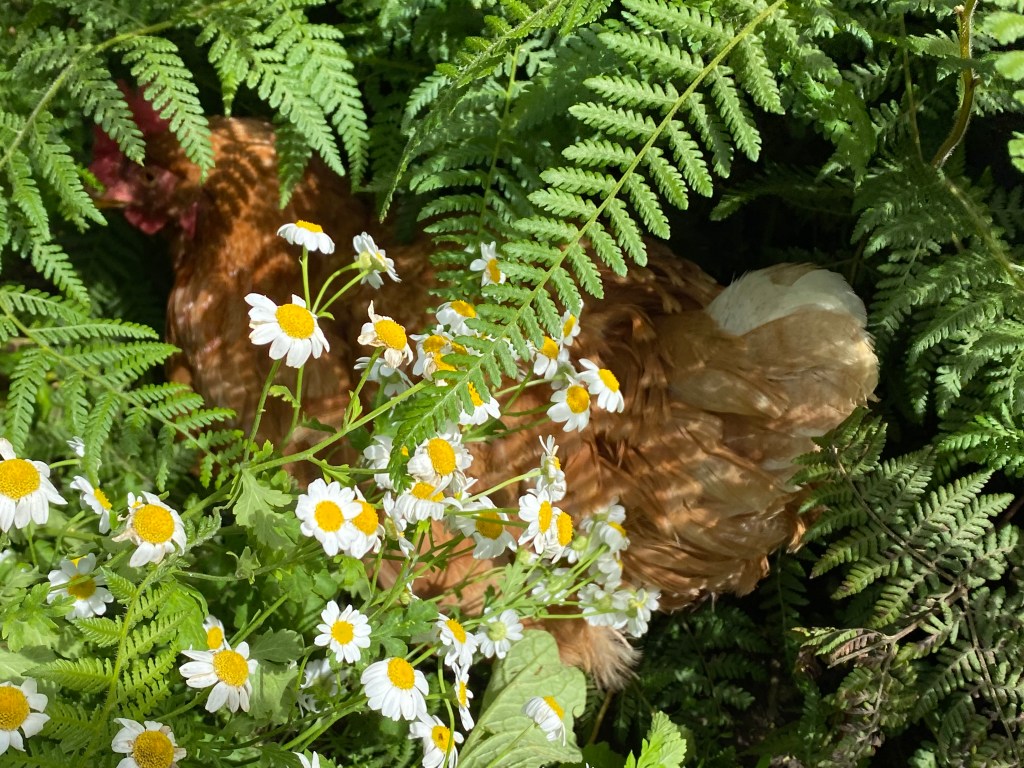
Dora sheltered under the feverfew.
I carried on stacking wood. I had hoped to have it done before the wind arrived, but the delivery was late. It’s nice to achieve some order when the weather is in chaos.
One third complete
It took three and a half hot, sweaty hours, with a barrow load taking five minutes to fill, wheel to the woodshed and stack.
A hiking companion used to cheer us up when the going got tough with you-think-you’ve-got-it -bad stories. The terrible effects of the tornado in the Philippines put our nor’wester into perspective. The ominous feeling that such events will be increasingly common everywhere remains.
Awkwardly holding umbrella and camera, I took a photo of the rising water in the Avon from the Gloucester Street bridge. The ducks on the far bank – or side, rather, as the bank was underwater – seemed unperturbed. The Gormley sculpture in the river looked as if it might disappear, and a half-submerged bucket floated past as if redundant and useless against the flood.
The Met Service heavy rain warning reports heavy rain from 10 am today until 6 am tomorrow. With more than 12 hours still to go, I will need gumboots to get to my local shops where I had to pick a careful course through the already flooded streets after getting off the bus from town this morning. It’s the first time since I retired two years ago that I have had to take the bus to and from a WEA course due to rain, rather than walking. As I was leaving the WEA, I met a friend who had walked. She was soaked through, but cheerful. She prefers not to use an umbrella, and I imagine that the two hours she had ahead, sitting in class, would be uncomfortable.
Inside the house looks good, thinks Betty.
At home, the chooks are sheltering on the deck – along with numerous sodden sparrows. Rain doesn’t run off them as it does from a duck’s back. Settling in for a long snooze seems the best way to pass a rainy day.
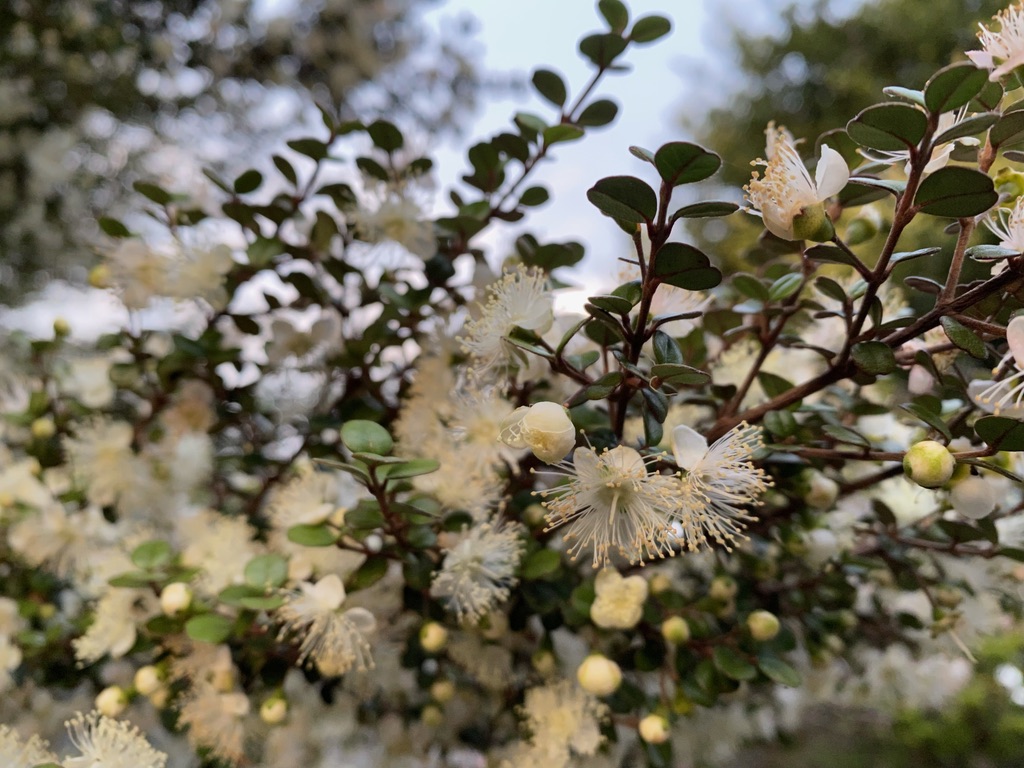
Rōhutu, New Zealand myrtle, is bursting prolifically into flower. It is breath-taking. Looking up close at the tiny flowers you can see the delicate filaments of the opened flowers and tiny tight buds set against the little heart-shaped leaves.
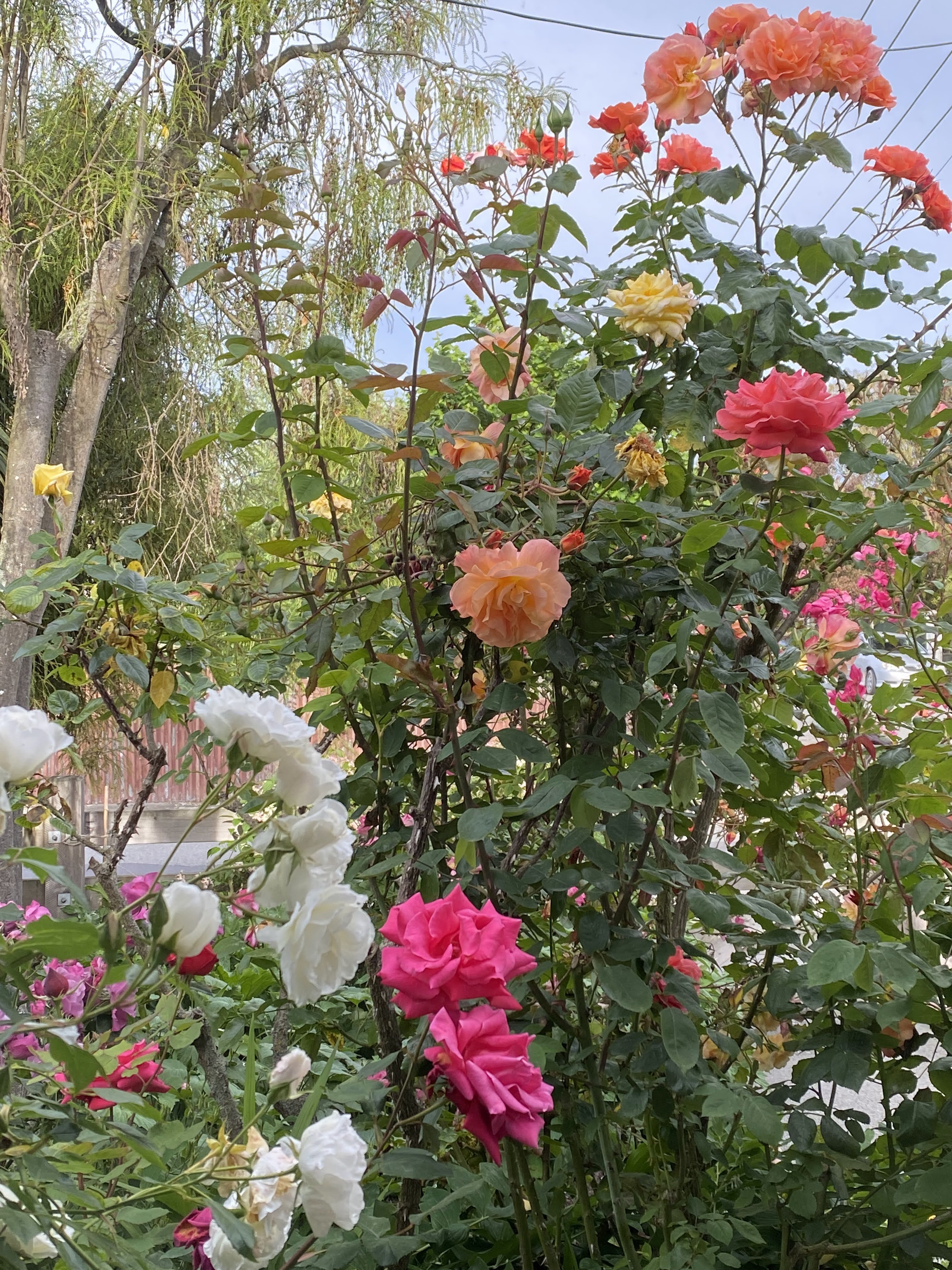
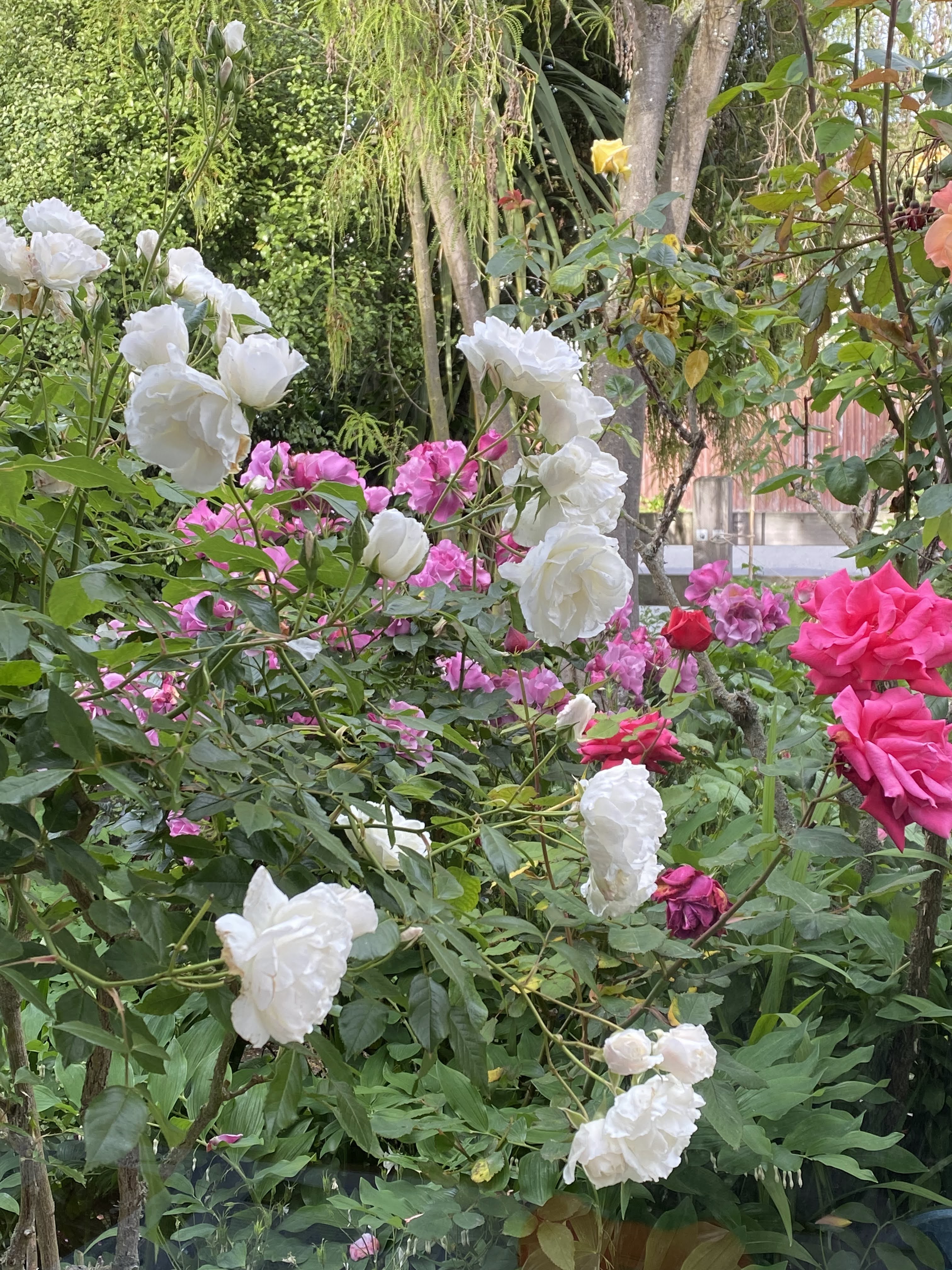
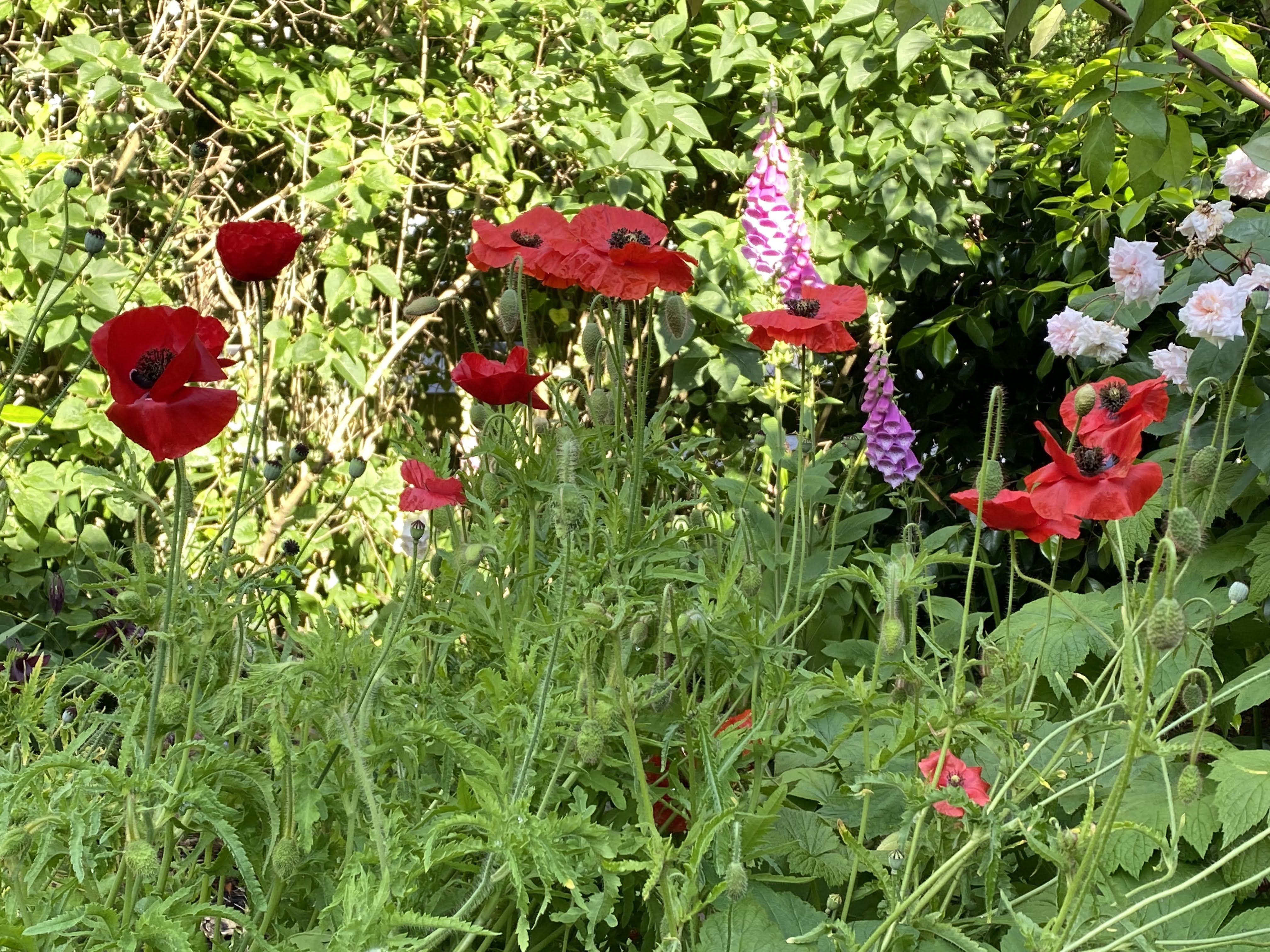
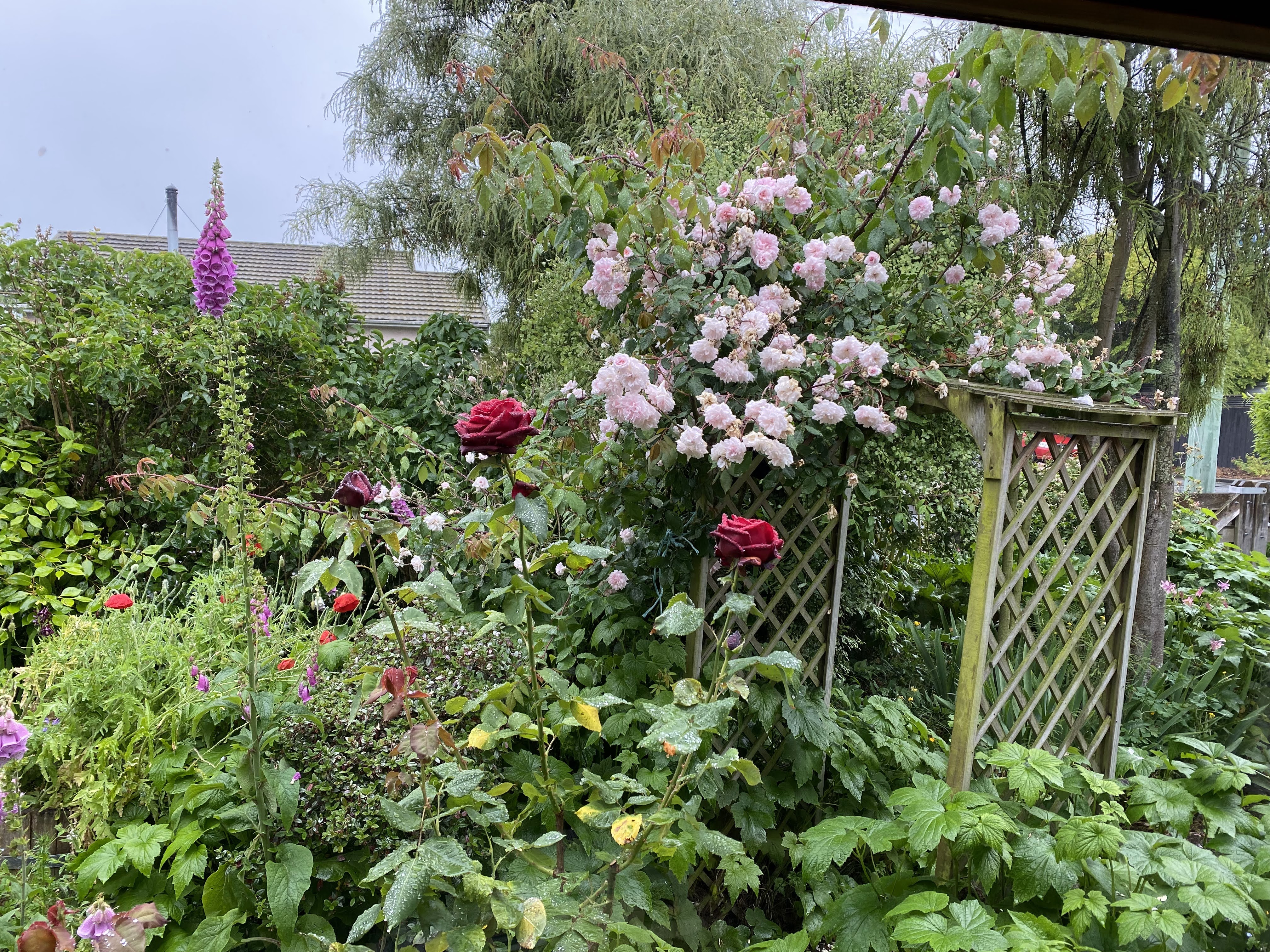
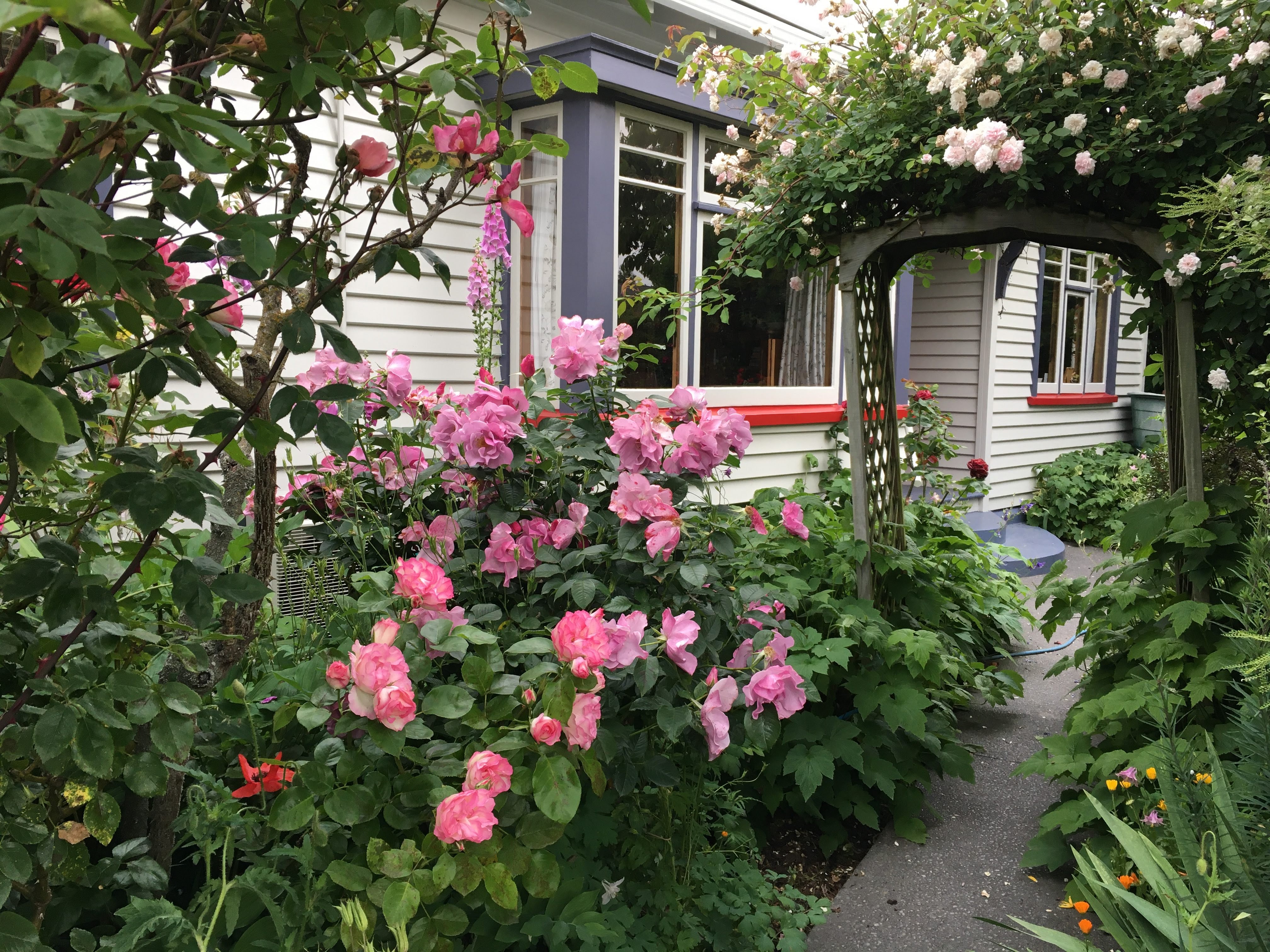
The title of this post alludes to Lyn of Tawa‘s chaotic colour schemes. My gardening is similarly chaotic: there is no planned colour scheme here. In fact, I took a step backwards on opening the blind on Sunday morning. I’ve been away for six days and the growth in the garden is overwhelming.
It’s a joy to muck about in the garden since I’ve been back. I’ve heard of people who have ripped out all of their roses because they are ‘too messy’. Messy could pretty much describe my garden and that is how I like it (with limits!) particularly after reading about how our efforts to control nature aren’t the best for the environment. Nature seems to have its own ideas, anyway.
I pruned the Cecile Brunner rose extensively, and it has carried on regardless.
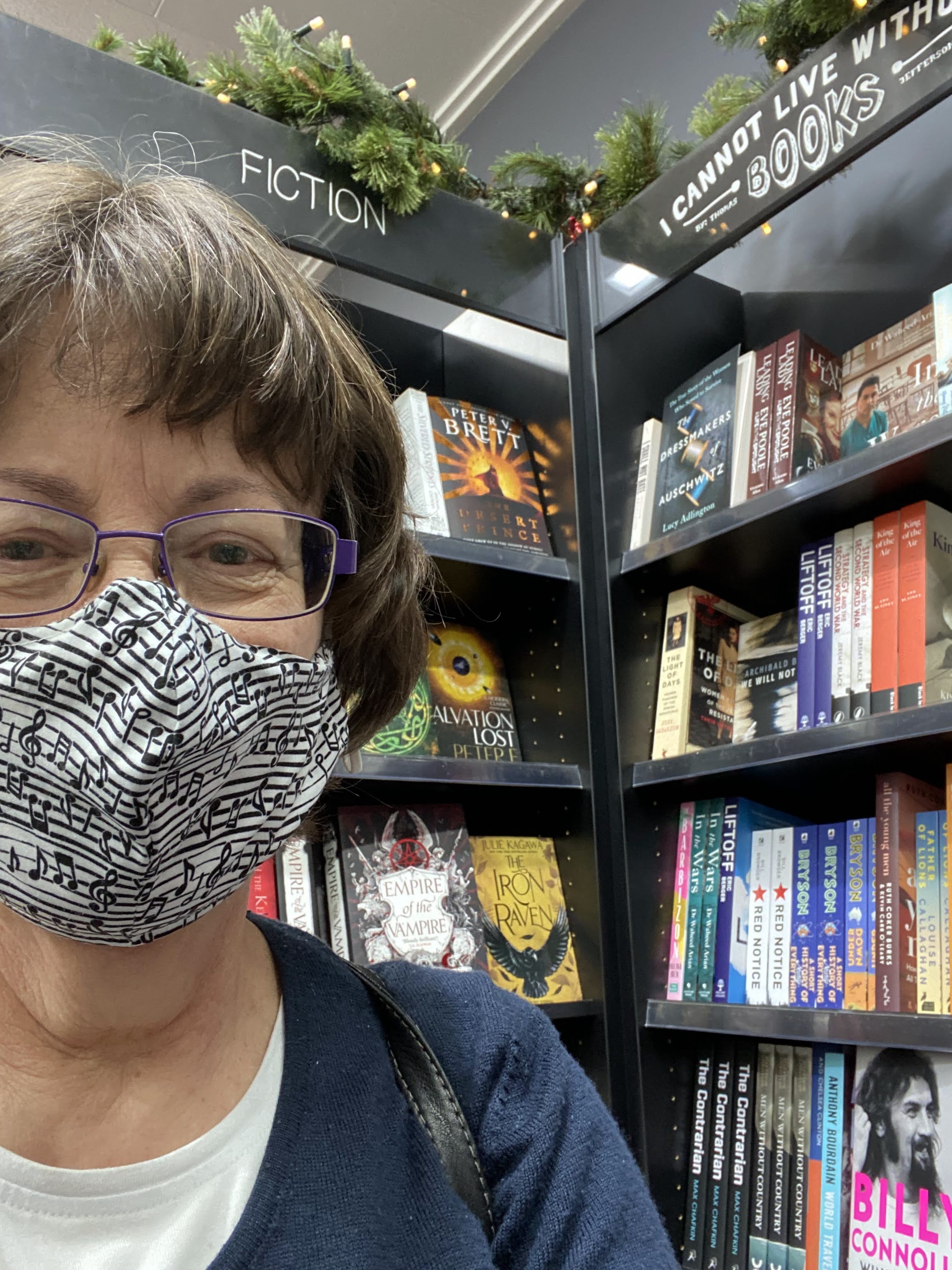
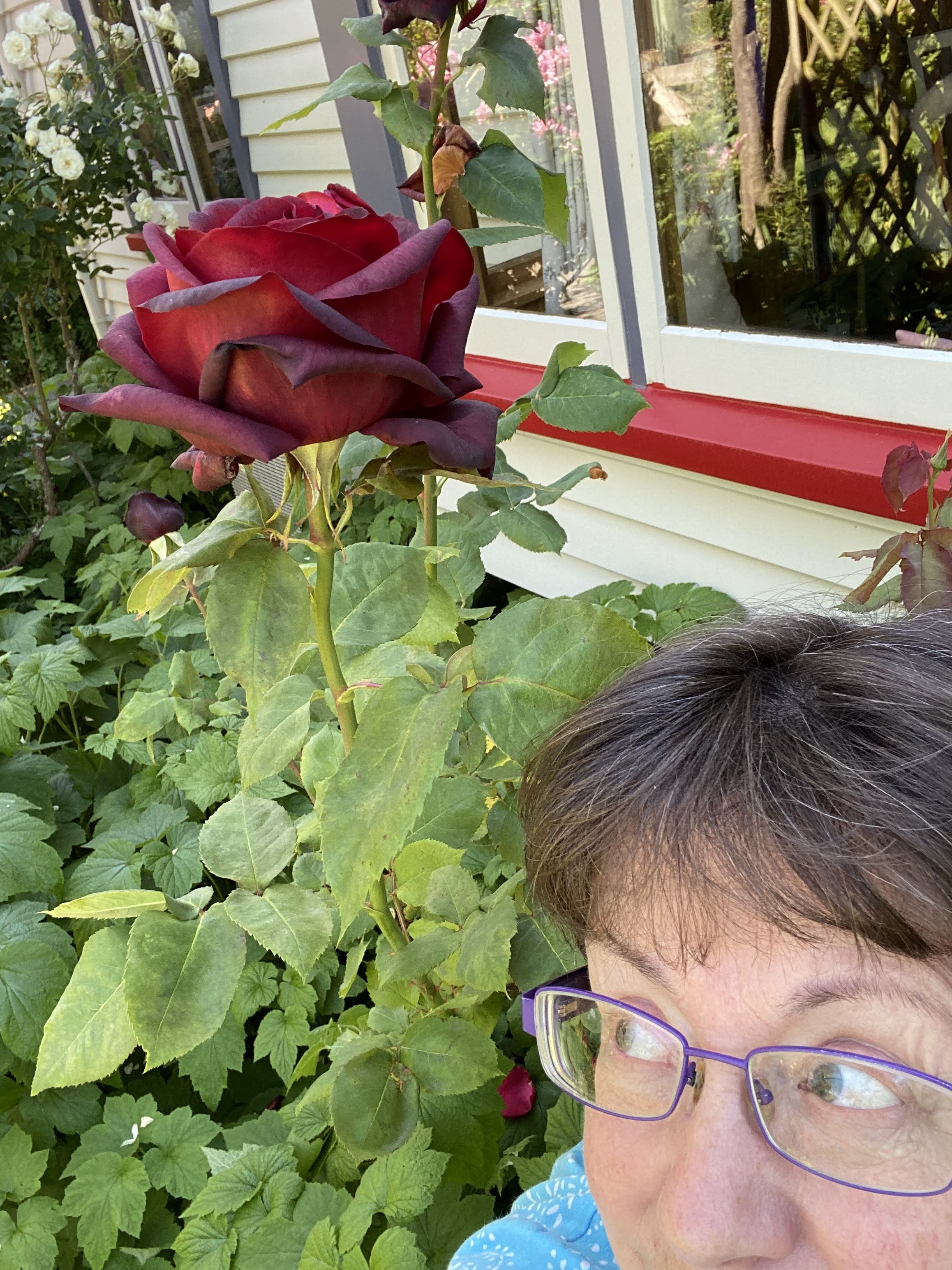
Just as I enjoy “book bathing” in bookshops, I feel as if I’m “garden bathing” at home, surrounded by the green of waist-high Japanese anemones (they flower later in summer) while fox gloves and roses tower above me.
Book bathing at Paper Plus in WanakaGarden bathing at home
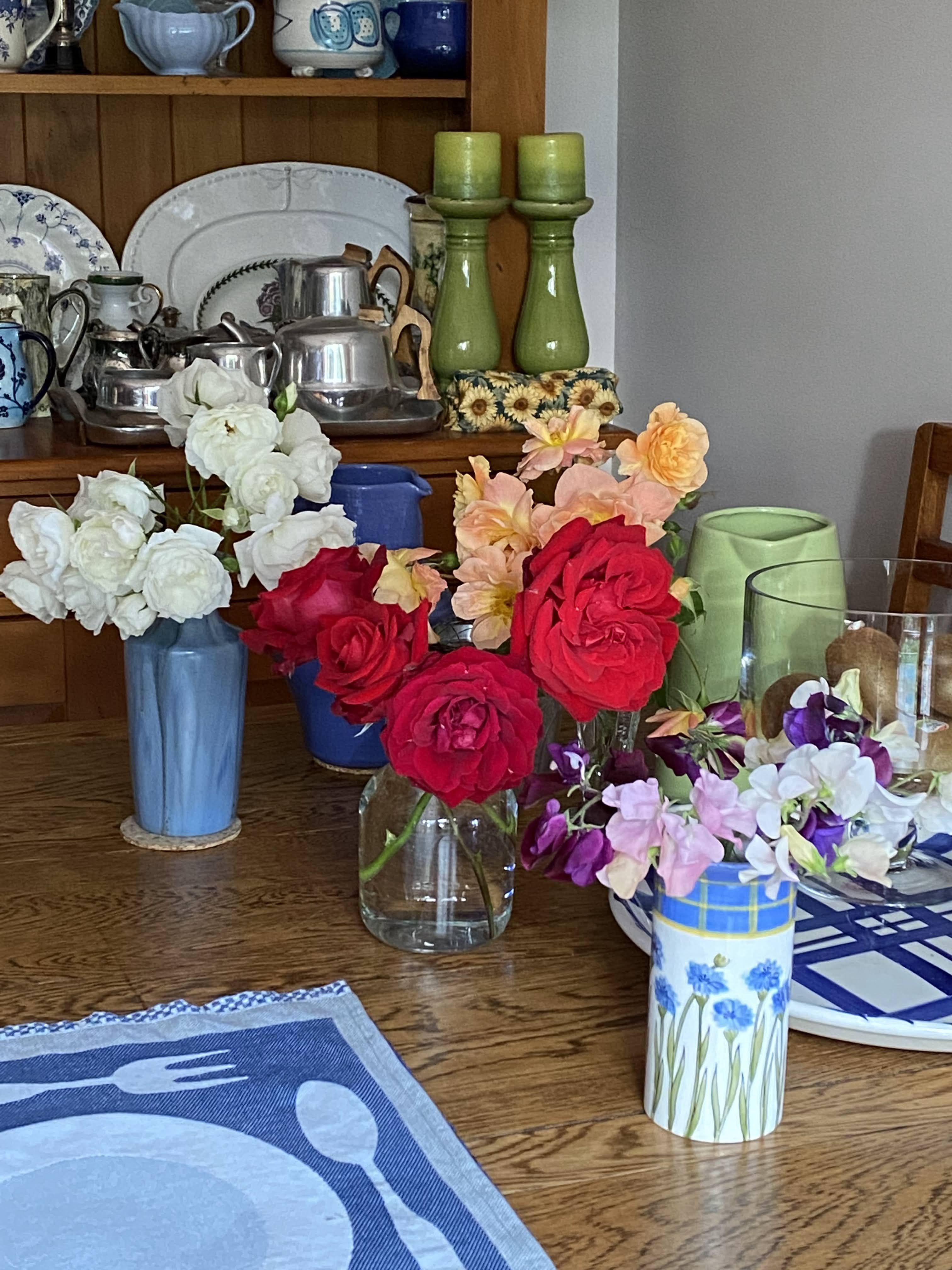
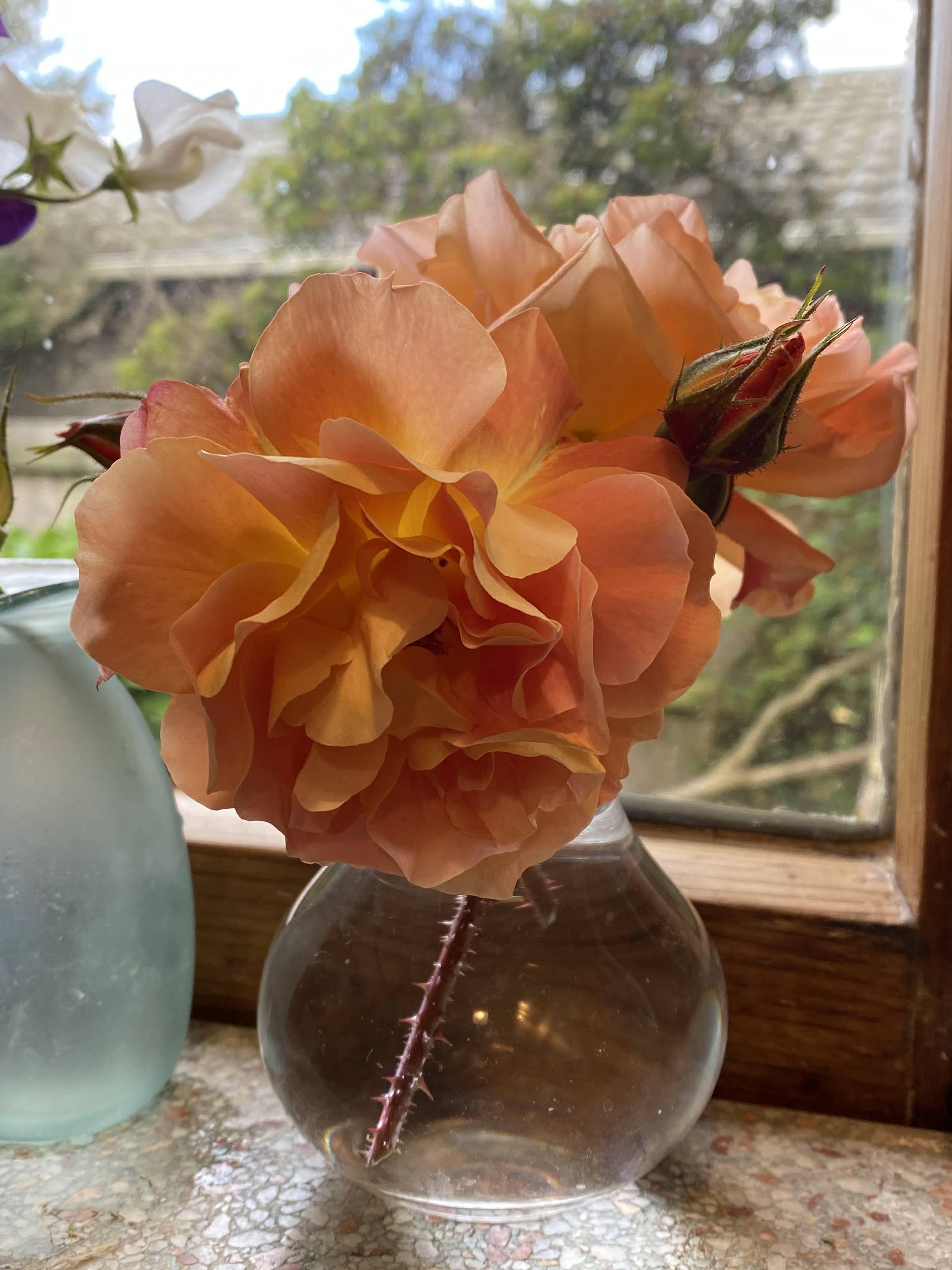
I can pick flowers with no impact on the visual explosion. Some of these flowers were rescued from branches broken by the wind. The sweet peas are a summer favourite. The red roses in the vase are Precious Platinum from a plant transplanted from my mother’s former house.
Westerland
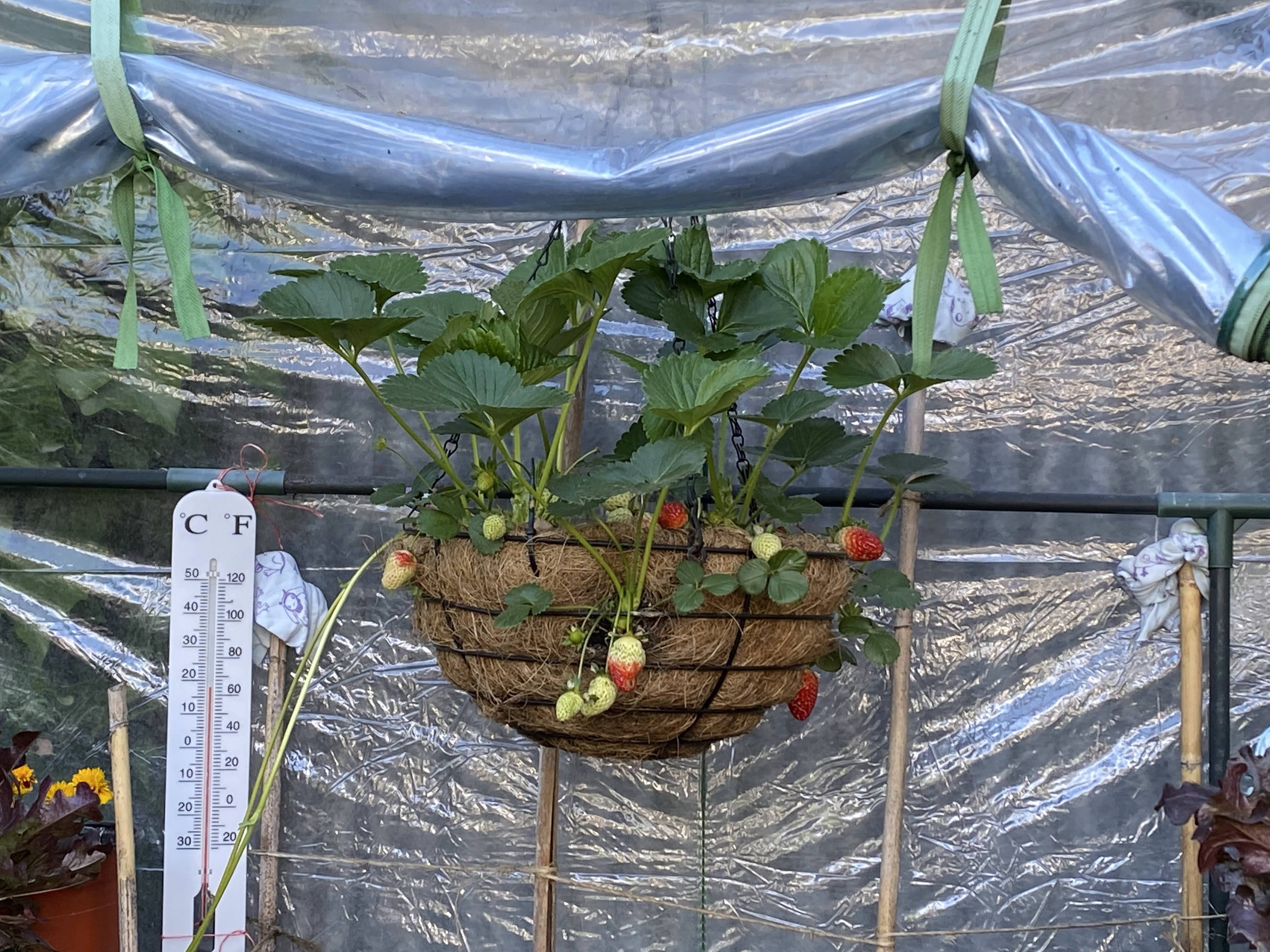
This morning I found the strawberries ripening in the little greenhouse. A feast for the eyes – and for the taste buds before long.
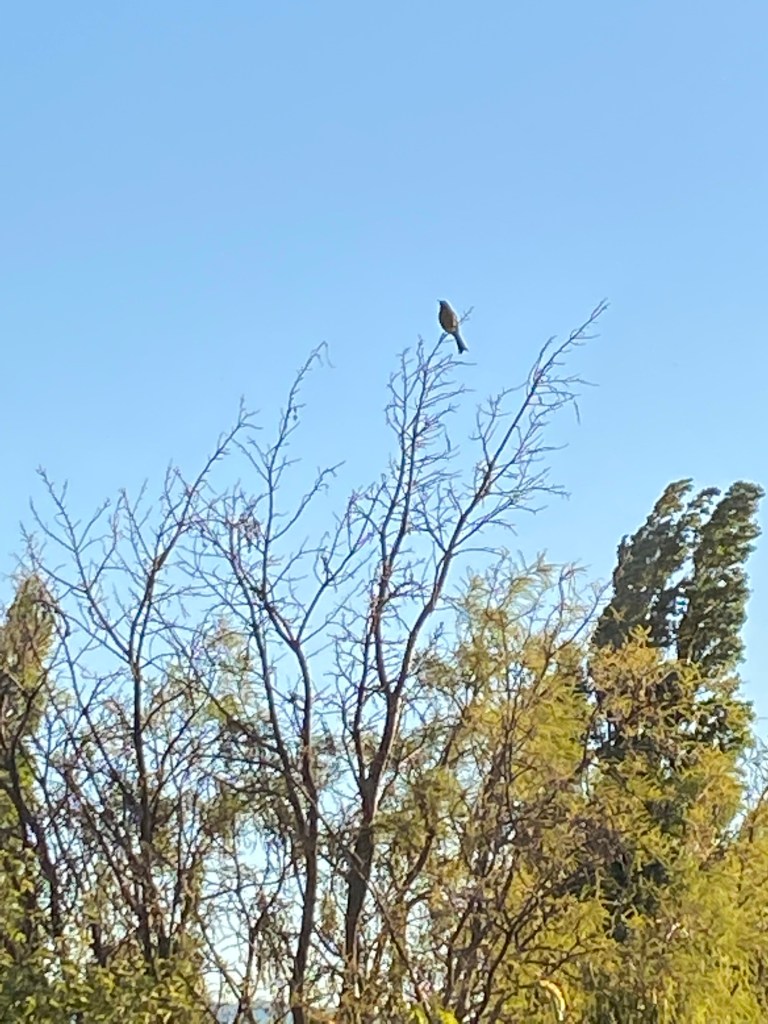
A bellbird as an alarm clock is a pretty fine prospect. Deborah Levy often writes of her bird song clock in her memoir. A bellbird was singing outside the window early this morning.
Bellbird in kowhai tree
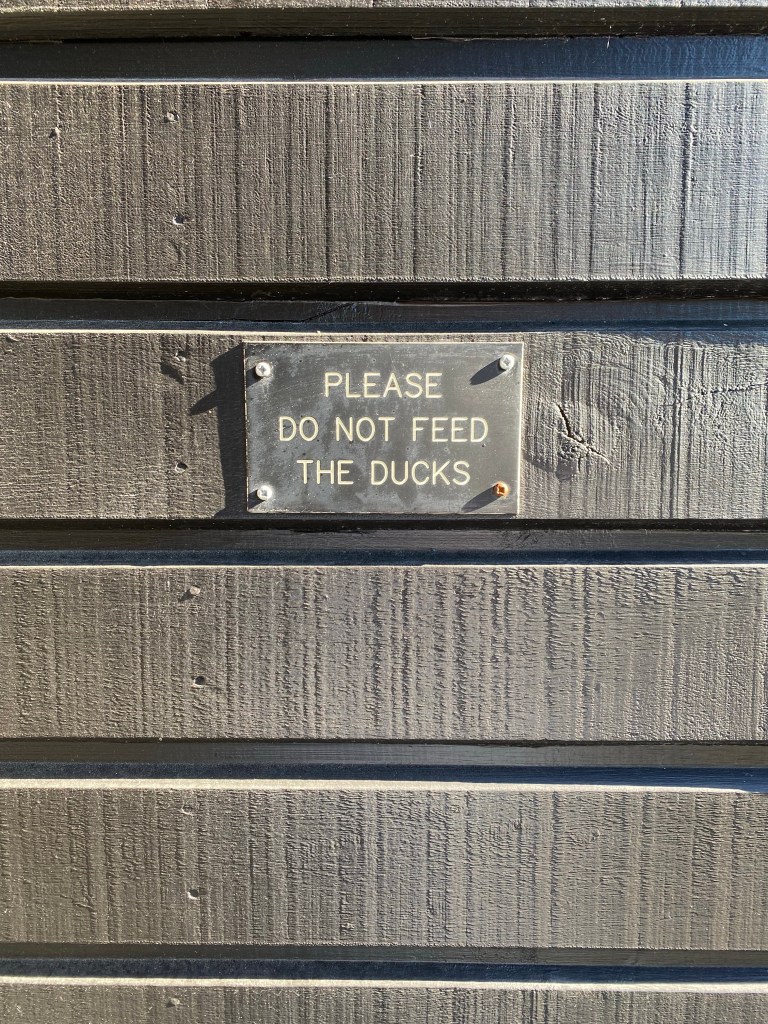
Later, as I sat reading in the sun, I looked up to discover two ducks about to walk in the door.
This sign by the door tells me they’re frequent visitors.
Other visitors have been a thrush, chaffinches and, of course, sparrows. A sparrow popped out of the hedge where it’s probably nesting.
I don’t miss my chooks too much, but it’s nice to watch the bird life here.
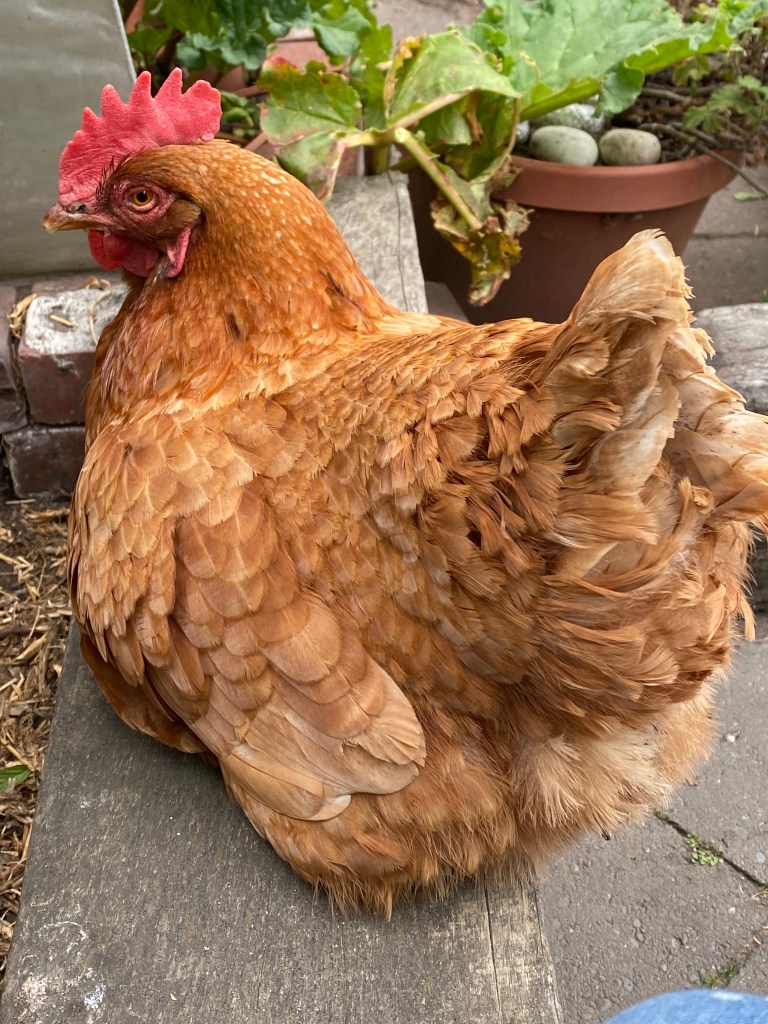
This photo of Dora appeared in this morning’s Press. I entered it in the Stuff cutest pets competition a few days ago. Dora is the most photogenic of the chooks and, as she has stopped laying, really is a pet.
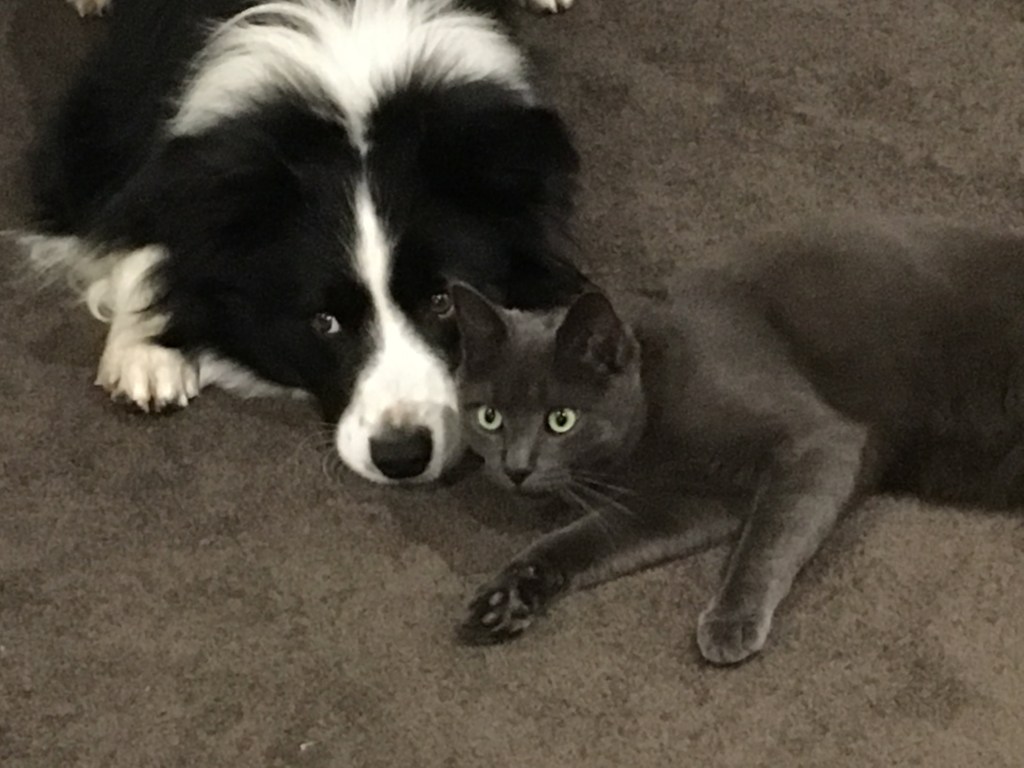
Inspired, I sent in some more pics. Jock stays with us when my brother is on holiday. Finnick, Koda and Domino are my sister’s family pets.
Jock chooses the best chair by the fire
Finnick plays Ludo from his bean chair
I’m on to it, says Koda, while Domino is right behind him
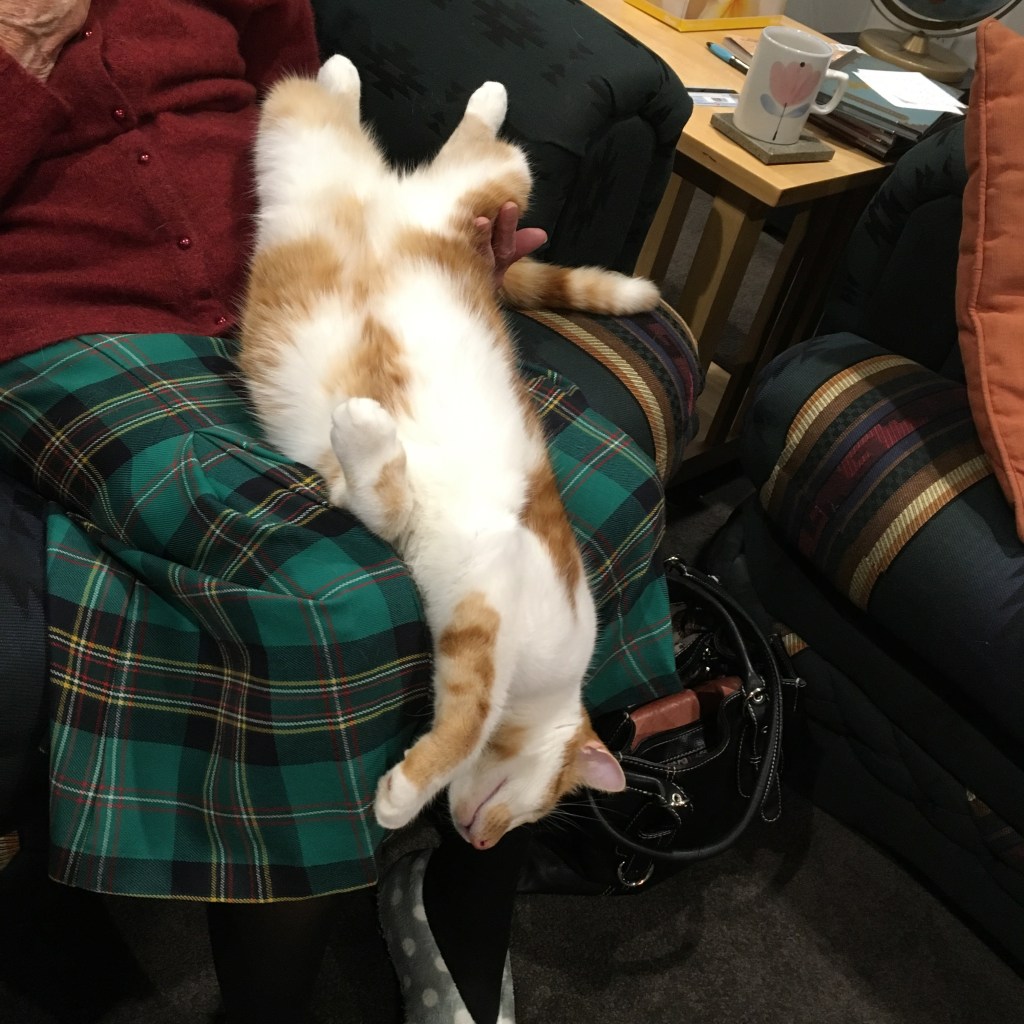
Other photos I considered include these very relaxed poses:
Our numbers are overwhelming the planet, even here with our population of 5 million. We need, it seems, tiny living spaces to accommodate us all and to prevent urban spread onto productive land and wildlife habitat.
A friend and I went to an open home in a new complex of high-density townhouses on Sunday. The house we went into was suitable for paper-thin people with foldaway furniture; elbows clenched to sides at all times and breathing restricted to shallow breaths. There was a tiny square of artificial grass with room for only a vertical garden built on the fence. Overlooked in all directions. No room for parking. And the houses are not cheap. No trees, no birds. The open space opposite with views to the river will soon be crammed with similar housing.
They have all been sold. Many to investors, I would think, who will use them as rental properties or airbnb. There was something disturbing about the hype of the open day: the slick real-estate people with fake tans, the shiny brochures, the gourmet food truck. The developer’s website shows two possible floor plans: square or rectangular, take your pick.
I am a ‘homebody’ and I was torn between feeling out of place in the house we visited and imagining ways to make it homely. But it was not a space I could be comfortable in. You would need to be mainly away from home – at work, or elsewhere, using the house for sleeping, showering, eating – although there’s little room for cooking.
My house is a simple wooden one built in 1930; about 100 square metres on a 455 square metre section. Compared to the new townhouses it seems to have room for all aspects of living and is warm in spirit. It’s the only house I’ve owned and the only one I can imagine living in. I’ve gradually improved it, painting inside and out, removing layers of paint on wooden doorways, panelling and window frames, rewiring and insulating it and, of course, gardening, over the 35 years I’ve lived here. Having a flatmate in the early days helped pay the mortgage.
Design programmes on television show people building spacious houses with landscaping and views, and the on-trend infinity pool. How alien this must seem to many people. Too much of it and it becomes distasteful.
Preferable are the houses which people build themselves or which are restored or which are centred on shared spaces and gardens.
But so many people have few choices. A woman in a programme about Cornwall said a house should not be seen as a financial asset but as an essential of life. In that part of the world, locals cannot compete with the prices people from outside will pay to have a holiday house there which sits unoccupied for much of the year. Instead, young people get work where they can, living a kind of nomadic life in caravans and sheds.
While the purpose of pandemics is to decrease the population when numbers threaten to overwhelm resources – a harsh solution often seen in the natural world – I like the idea of re-thinking our perception of what housing should be: Essential.
Poetry has a way of getting to the core of being human. Joe Bennett’s column in today’s newspaper is centred on the poem Naming of Partsby Henry Reed, first published in 1942, which makes a sad, ironic comment on human behaviour by contrasting the beauty of spring with the hard metal of weaponry.
And so I think of the pleasure of wandering in my garden in the morning as I go to collect the paper from the gate. It is like swimming in new growth which is now waist- and shoulder-high in places, while the golden kowhai reaches overhead.
Then, I sit down to read the paper and re-discover all the complications of human life. Housing shortage, global pandemic, racism, war, disputes, cruelty, and the current new series of articles entitled “This is how it ends” (alluding to Eliot’s poem The Hollow Men) about the sixth mass extinction and climate change.
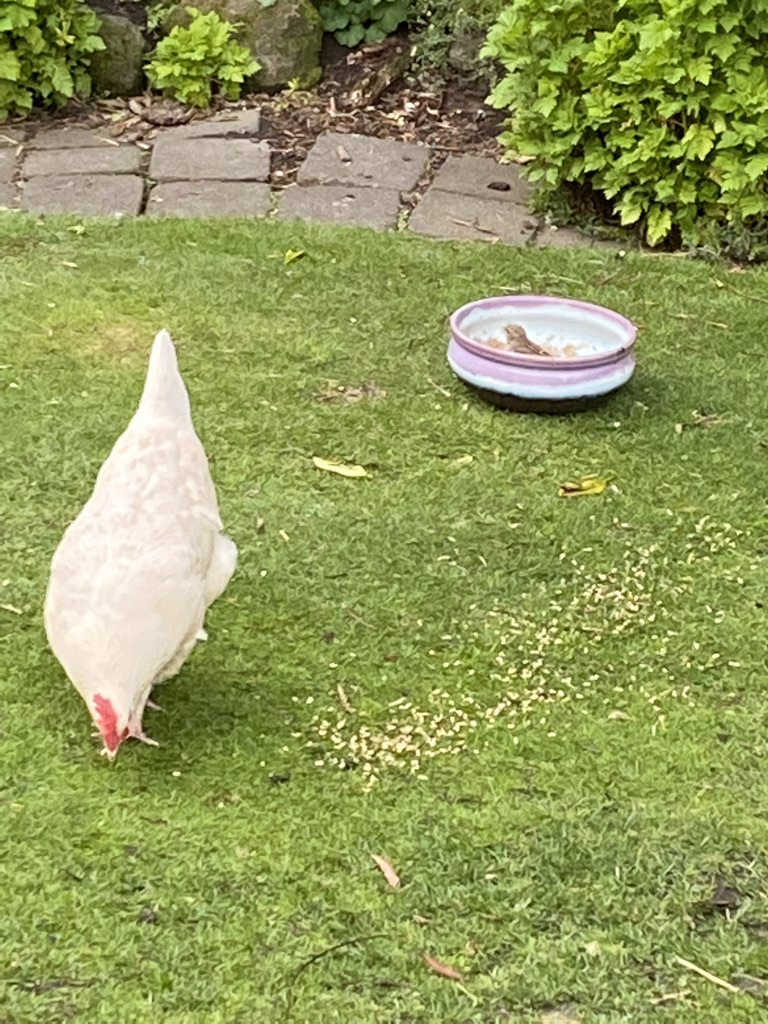
On the lawn outside my window the hens peck. Sparrows, blackbirds and starlings come down to see what’s on offer. The foxglove flowers are beginning to open. Their lives are as simple and as complicated as the circle of life.
And we humans are superior beings because we have a brain. Find the evidence in poetry.
................... for lovers of ice cream. Your free on line magazine for sweet frozen treats. Recipes, inspiration, artisanal ideas for your delectation.














 Anne-O-tations