Art and architecture

Today was so beautiful I had to get out and into it. Walking to Singing was great, and after a good old bellow there, I popped across the street to the Art Gallery. The visual delights started with an amazing whale-tree suspended from the foyer ceiling. It was quite meditative looking at the art upstairs, and moving too.

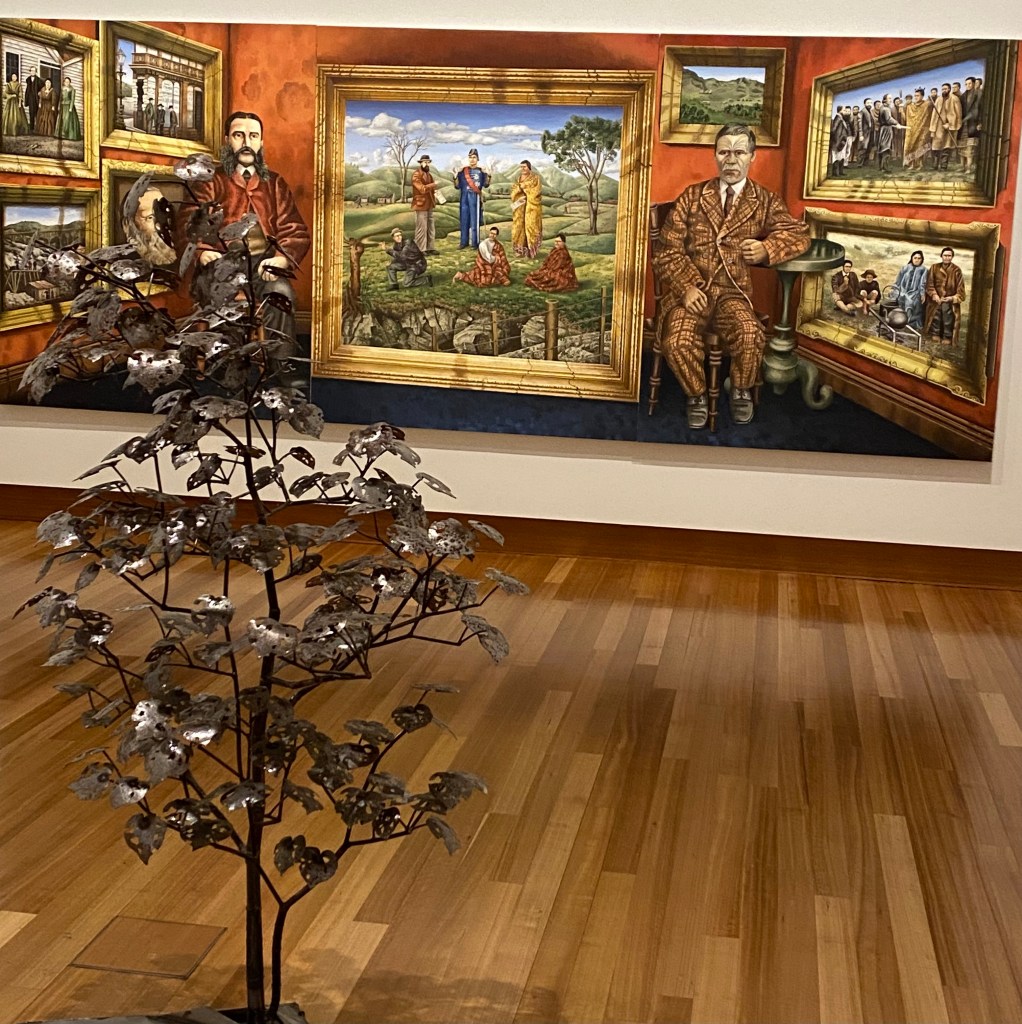
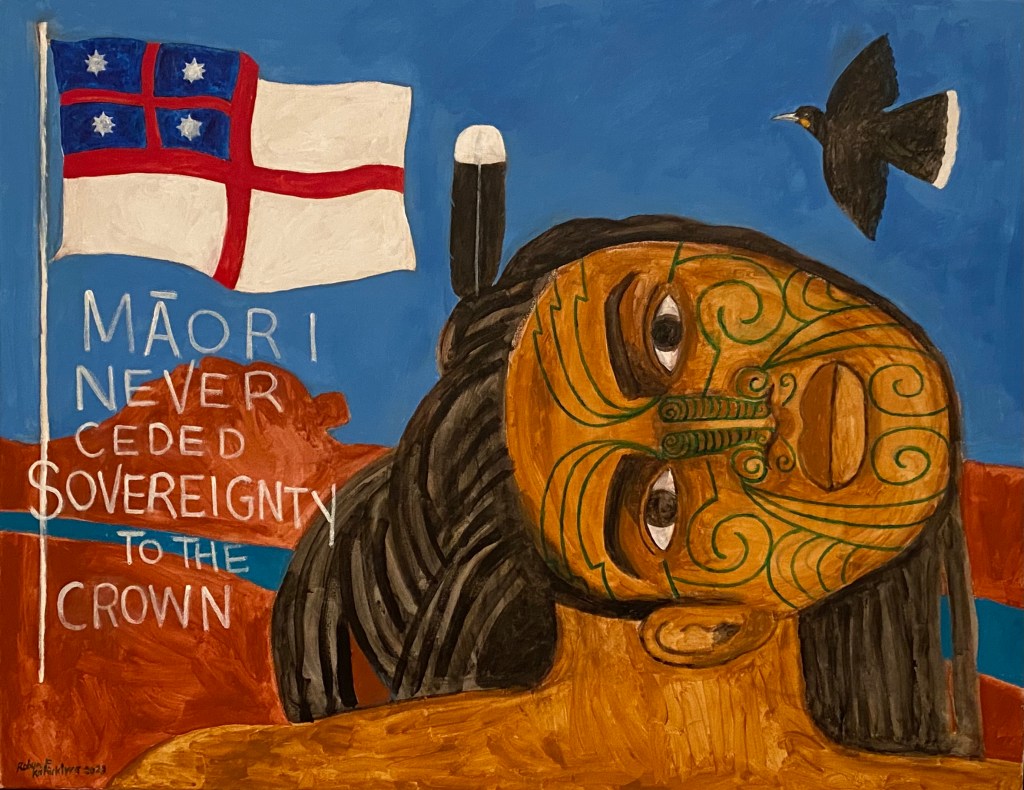
The huge triptych ‘Colonization’ by William Dunning is more essay than painting. The kawakawa tree in the foreground is by Shona Rapira Davies (who also did the ‘whale-tree’ in the foyer). I was pleased to see a Robyn Kahukiwa painting (on the right) as she recently died. I love her work in Wahine Toa with Patricia Grace. The book was in my classroom for years until it disappeared. Someone else loved it too, as I’d hoped.
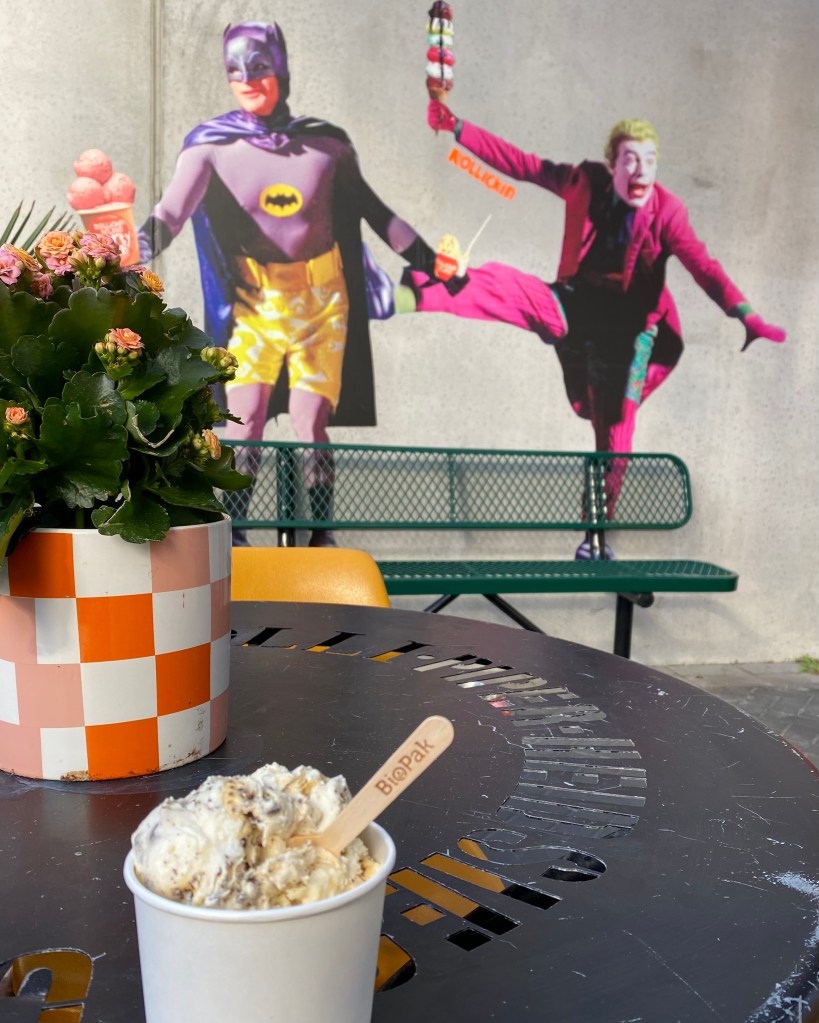
Out on The Terrace, the colours were brilliant and it was hot. I stopped for ice cream, then headed off to explore.

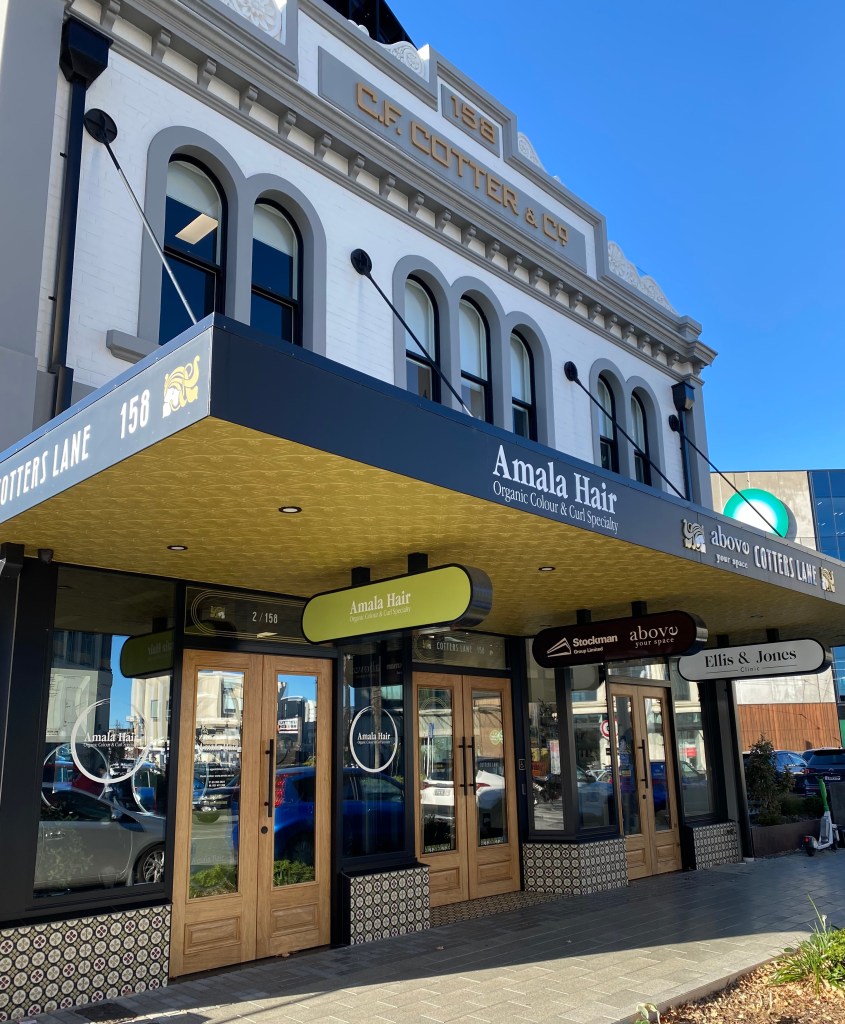
Pre-earthquakes, High Street had a row of lovely old buildings, home to specialty shops and cafēs. Now, it is a street of restored buildings and new buildings housing boutique businesses. Some façades have been preserved, while inside and out the back you can see how new the buildings are.
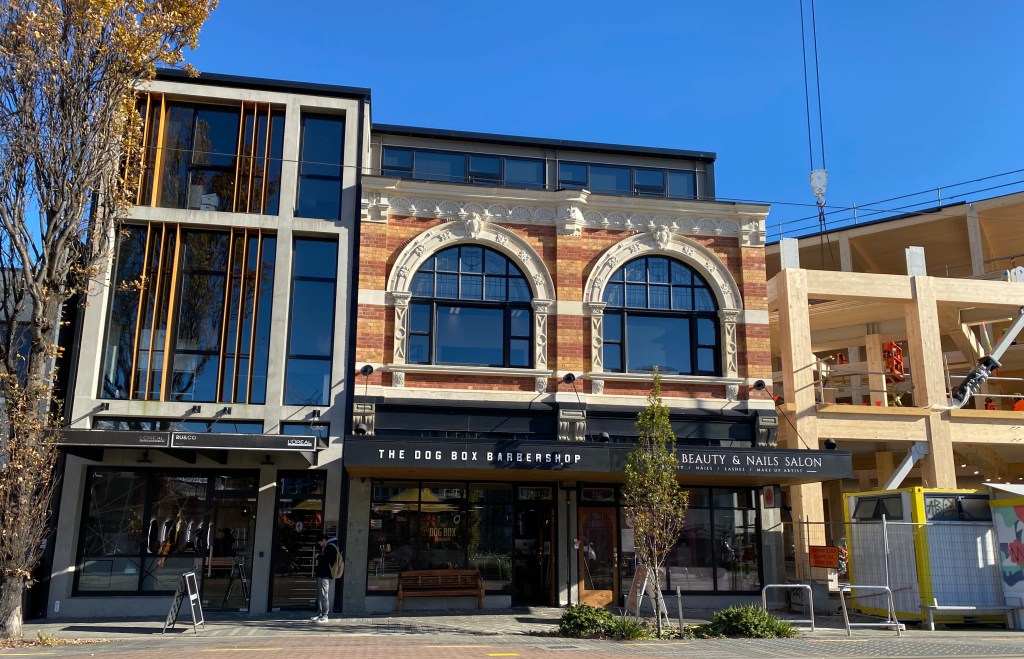
Old and new sit cheek by jowl (photo below). A new floor (perhaps a penthouse apartment) has been added to the building in the middle, so I suspect only the façade is original. The building under construction on the right, has amazingly massive timber beams, some curving around the corner. It replaces the old Excelsior Hotel, which stood in its post-earthquake ruined state for ages until it was demolished. No-one would take on its restoration, despite hopes to preserve at least the façade. The landmark palm trees at the front remain.
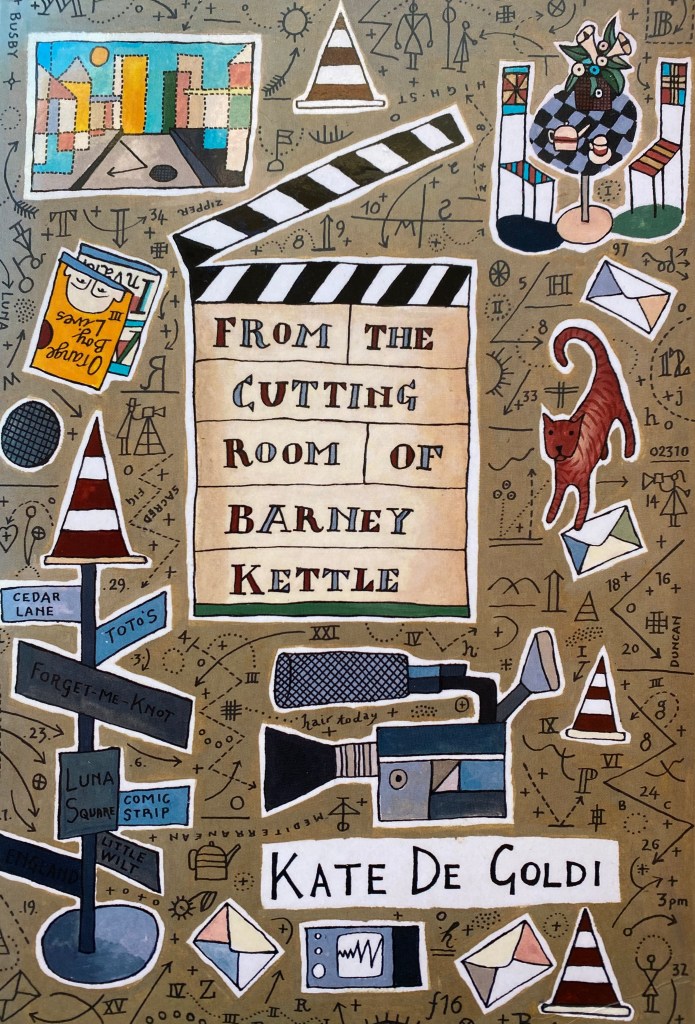
An idea of what High Street used to be like (with imaginative additions) is preserved in Kate de Goldi’s book From the Cutting Room of Barney Kettle.
Views from the sea

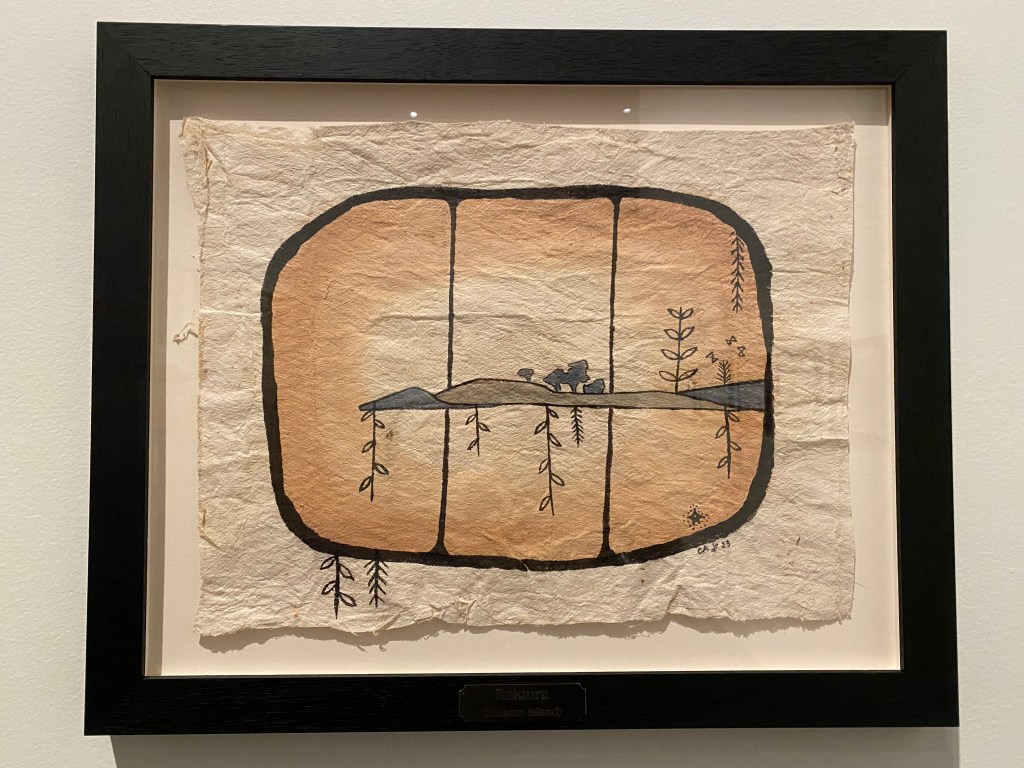
Rakiura

The artist featured in the exhibition Encountering Aotearoa at the Christchurch Art Gallery Te Puna o Waiwhetū is Cora-Allan Lafaiki-Twiss (Ngāpuhi, Ngāti Tumutumu, Nuie – Liku, Alofi). I am fascinated by her work. She went by boat around Aotearoa to look at the land and sea. In part, this was to see the land as the crew of the Endeavour might have seen it – with Tupaia and his assistant Taiata on board – as they circumnavigated and mapped the land. Cora-Allan asked her pāpā, Kelly Lafaiki (Nuie – Liku, Alofi) to accompany her as assistant on the journey. Videos screen on a wall, documenting the journey and the making of the work.

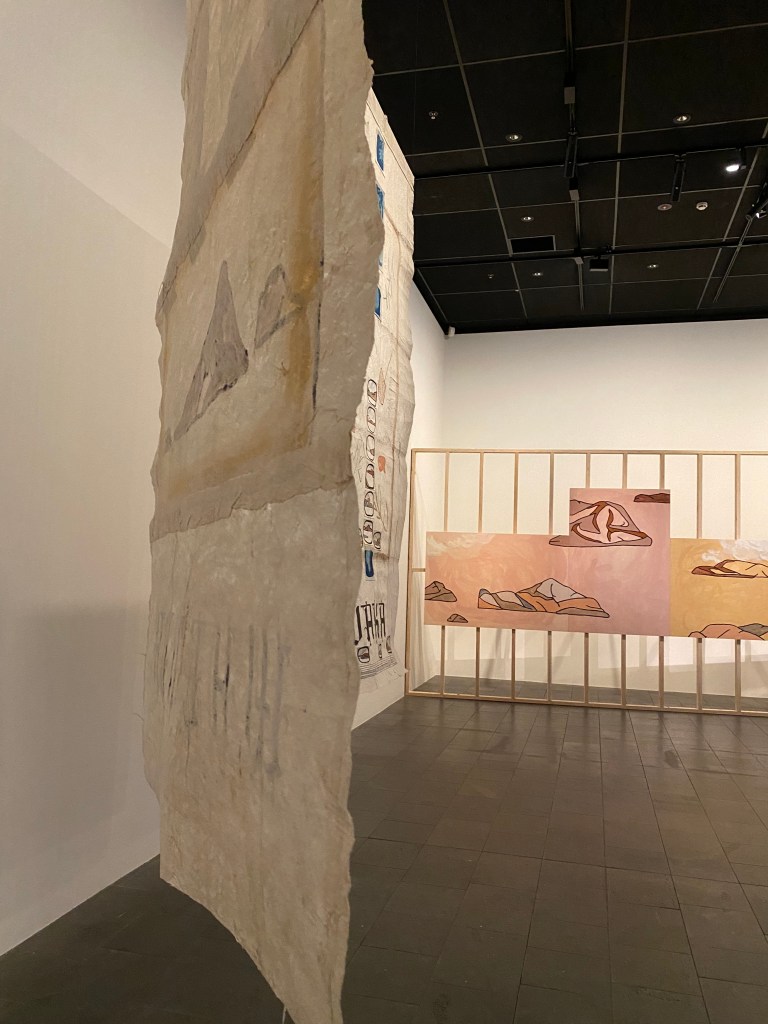
Frames around many of the paintings remind me of boat windows with their rounded edges and toughened glass. The artist uses hiapo, traditional mulberry bark paper often known as tapa cloth. It was soaked in sea water in each place a work was created. I looked at the back of the hanging paintings and could see where the sheets of paper had been joined and I could appreciate its texture and thickness.

Hiapo, mulberry bark paper, is used for the art works

The pigments used are from the whenua (land). So the making of the work is as fascinating as the paintings themselves. In a glass case, are some sketchbooks and a marvellous wooden toolkit which folds out, with a sliding drawer in the base and a leather handle. This would have been ideal when working from a boat.

A panoramic sea view on panels stretches across the gallery space on a wooden frame.

In the entrance to the exhibition, these islands seem to float on the grey/blue background.

Large hanging paintings lead you further in. The details are intricate and significant, with traditional and contemporary elements, and the photos don’t do them justice.

Maunga (mountain), Moana (sea), Whenua (land) and Waka (boat)

I look forward to visiting the exhibition again.

Post Script: I particularly liked the painting Rakiura. Later, I realised I was wearing a Glowing Sky jersey which seemed appropriate being a brand named for Rakiura (Stewart Island) with its views of the southern lights or aurora australis.