An inside day

It’s nice to have a rainy day to catch up with inside things. I caught up with the newspapers, cleaned the oven, read a book, admired the fresh green of the garden from the windows, listened to music, did some diary planning … and worrying news kept filtering in from the north about torrential rain, flooding, slips, peoples’ homes and lives in danger – and the shocking news of a large slip hitting a campground. Rescuers are still searching for the missing.
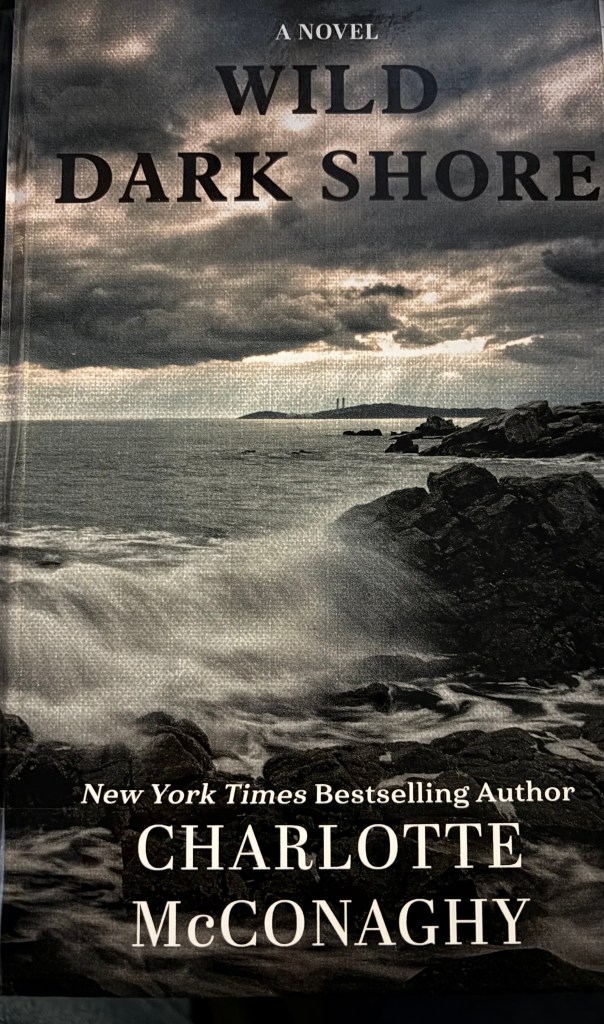
I finished Wild Dark Shore this week and it continues to haunt me, particularly as stormy weather escalates in real time – drowning out the news of bush fires in Australia. The subantarctic island setting of the novel is a microcosm of climate change across the world, haunted by the plundering of whalers, sealers and doomed expeditions of the past – read into that what you will. In fact, there is a lot of symbolism such as the lighthouse which has long since stopped sending out warnings, and the seed bank underground which is inevitably flooded. As storms increase in severity and the ocean level rises, its inhabitants scramble to rescue what they can before being evacuated and, although they are hopeful, they are prepared to face more extreme weather wherever they end up.

I saw a museum exhibition once about Aotearoa’s beginnings, with a video representation of our islands emerging from the sea. It was unnerving – time was sped up making the land seem fragile and temporary.

I like to be cosy inside in rainy weather, perhaps slightly annoyed by being inconvenienced and, despite some anxiety, so accustomed and attuned to my comforts that I can barely imagine ending up on the roof waiting for rescue.
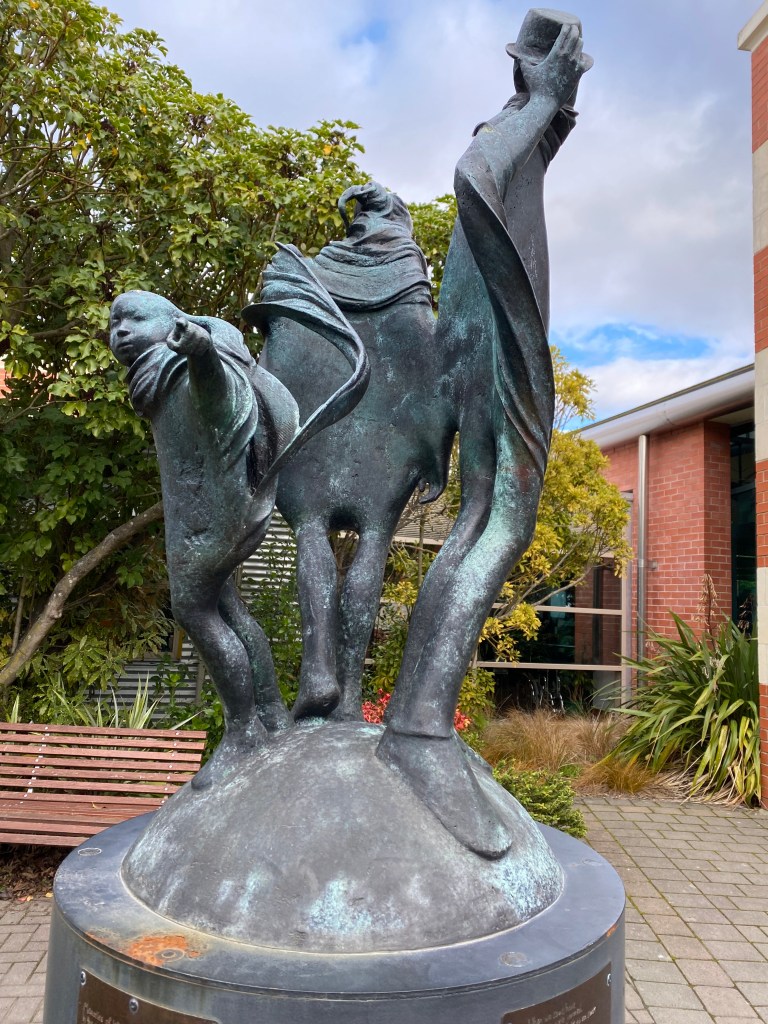
Winds of Change

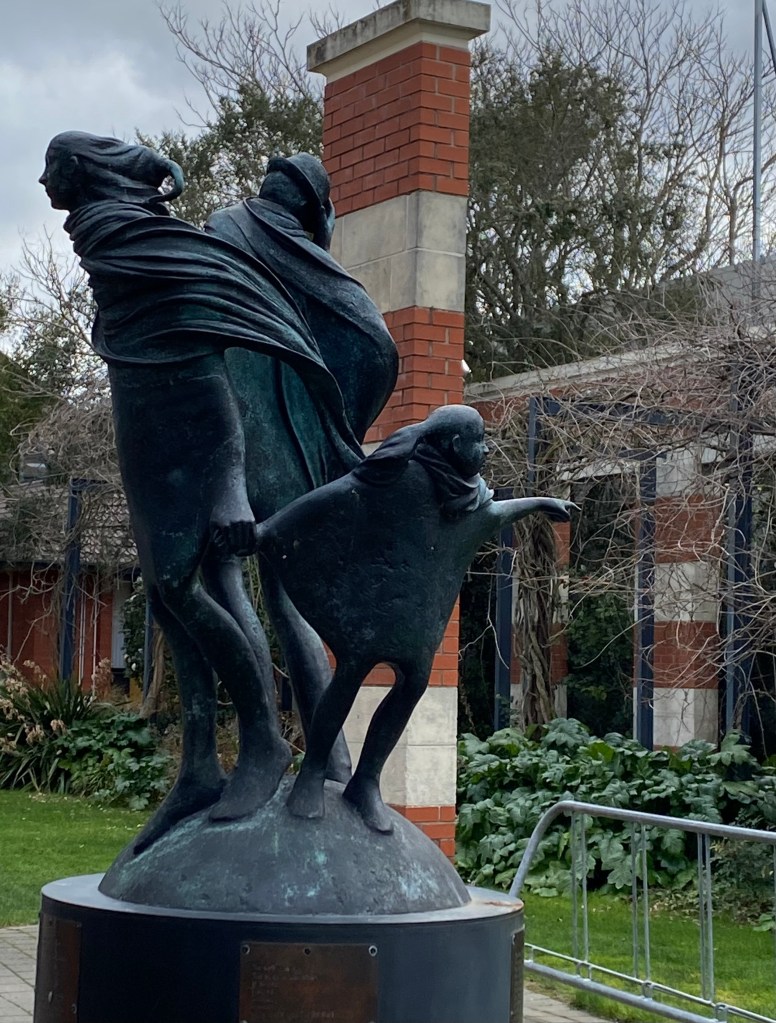
An intriguing and rather unsettling sculpture stands outside the Rangiora Library. I interpreted it as three responses to change. The man is holding onto his trilby hat as if unwilling to give up his social status. The hat and his hand obscuring his face limit his vision (or to hide his guilt, “Did I cause this?”). The woman is battling on through the storm, holding the child’s hand, and struggling with her voluminous clothing. The child is pointing back at what is coming toward them – fearfully, perhaps, but with a direct gaze. They are all precariously balanced on a tilting world.

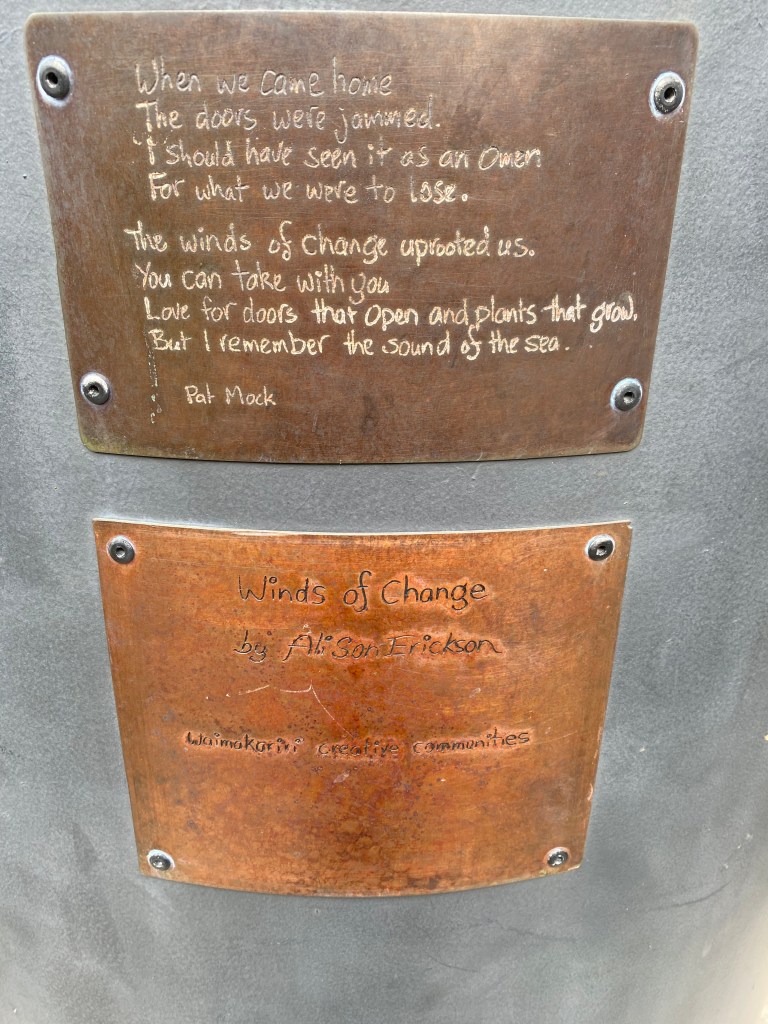
I thought of the earthquakes, of course, particularly as Rangiora is where many people settled after they were displaced from the city. One of the poems around the base of the sculpture is about that.

I also thought of climate change. Perhaps this well-known local poet, Rangi Faith, was thinking of that too.

After these sobering considerations, I went to look for my friends and we foraged in the local op shops, like the woman in the sculpture gathering things about her against the inevitable

Winds of Change by Alison Erickson.

Sustainable Living – climate change and transport

Six people attended the course this week, which meant we could work in two groups of three for a quiz. The results of this revealed my ignorance of the causes of climate change – more Inexcusable Ignorance (see an earlier post). I don’t even know the properties of all those greenhouse gases. A course in basic science is needed.

I guess I was feeling smug about biking into town. No more. I learnt that NZ is in the top 5 of OECD countries in its production of emissions per capita.

One frightening graph the tutor presented shows the UK’s emissions going down while NZ’s are going up. How can this be? The decrease in the UK’s emissions can be traced back to when their Climate Change Committee began to keep data. However, these Guardian articles may present a less rosy picture. Here, The Climate Change Commission, is only just getting underway with Rod Carr, former vice-chancellor of the University of Canterbury as Commissioner.

Really, all we could do was consider supporting organisations which are working to make companies and governments take responsibility. Fat chance. NZ’s reduction in emissions is pitiful. Submissions were recently called for by organisations such as NZ Forest and Bird for the govt. biodiversity strategy. Scientists have commented on the proposed strategy. It’s complicated.

Next then, was to look at what we can do personally. Once again, young people are encouraged to lead the way in this government initiative.

We talked about our own personal actions such as re-using and repairing instead of replacing, avoiding car travel where possible, op-shopping, avoiding plastic packaging, growing our own vegetables, and eating plant-based food.

It is an enormous pleasure to share your own produce with family and friends.

Raspberries picked this afternoon. The apples may not be ready to eat – they fell from the tree when I was planting beetroot underneath (‘helped’ by the chooks).