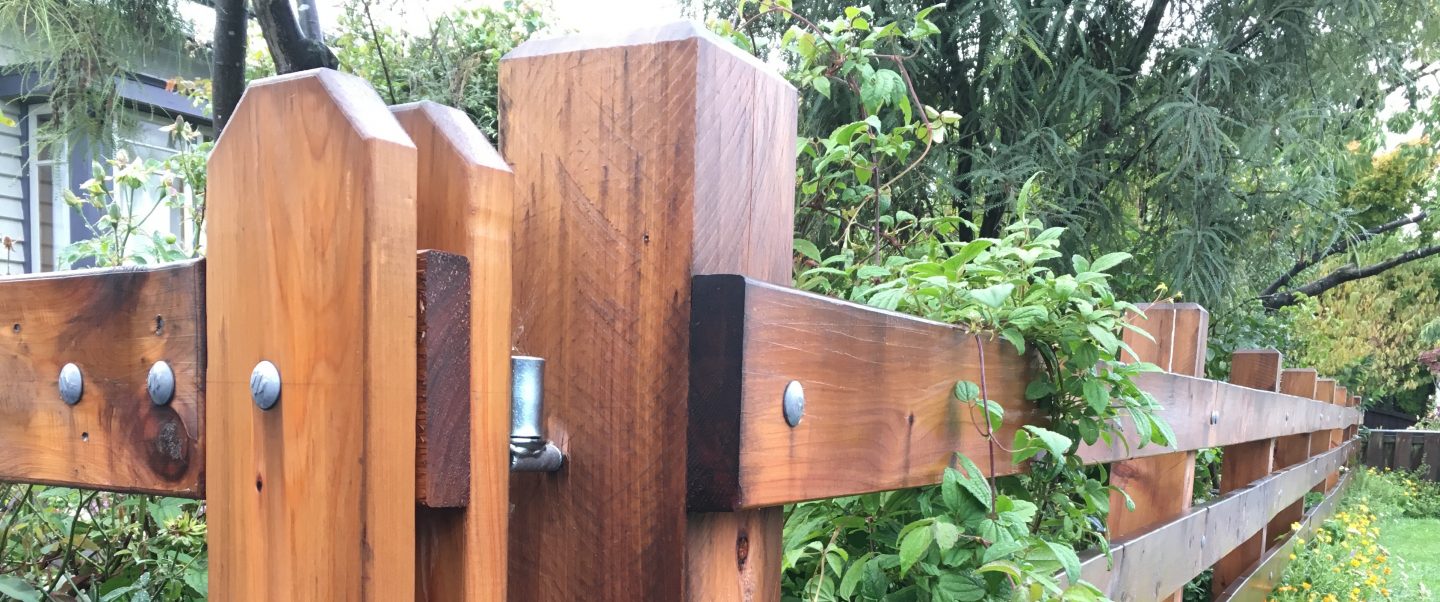


By the end of the day (yesterday) I had learned a few things from my ‘home schooling’. While I missed the exercise of getting to class and the social interactions, I enjoyed the quiet, the space and, especially, not having to pack up after two hours. I was able to concentrate and consider how the eye sees. I spoilt the watering can sketch with too much detail*, but was pleased with the light, shadow and texture of the copper pot. The jug (sideways) was … ho hum. Often when I take photos I am disappointed with the result, which makes me aware of how the eye sees differently from the camera. A sketch or painting, on the other hand, can focus on what the eye – and even the mind – sees.
A day of painting has sharpened my perception of things around me: what pleases me about objects in the house, and the forms and shadows in the garden. It has increased my appreciation of the work of artists – how they fill the frame and use light and shape, and what they are seeing.

‘Ornaments’ by Frances Hodgkins is very busy. The domestic objects on the windowsill begin to merge with the wilder outdoors, so that it becomes not just a painting you look at but a conversation inside your head. I know from her earlier work that she is capable of realistic and perfectly proportioned work with correct perspective. That she chooses not to worry about that so much in her later paintings gives a clearer idea of what she is seeing.
I don’t aspire to be Frances Hodgkins (well, maybe I do!) but she is often in the back of my mind when I sketch and paint. I can learn from her.
*This brought back a sharp memory from high school art class where I painted and painted so much on one painting that to me it looked drowned and oppressive. The art teacher (Valerie Heinz, known for her own work) was very nice about it, but I was deeply disappointed. It didn’t match what I saw in my head.




 Anne-O-tations