I can see clearly now – and it’s still raining

I can see all obstacles in my way… (Thanks, Johnny Nash)

My new specs were ready this week. This morning I walked into Singing class in the rain and wind (my new Blunt umbrella blew inside out twice). After Singing, I returned a library book, picked up another, and went to Groovy Glasses to collect my specs.
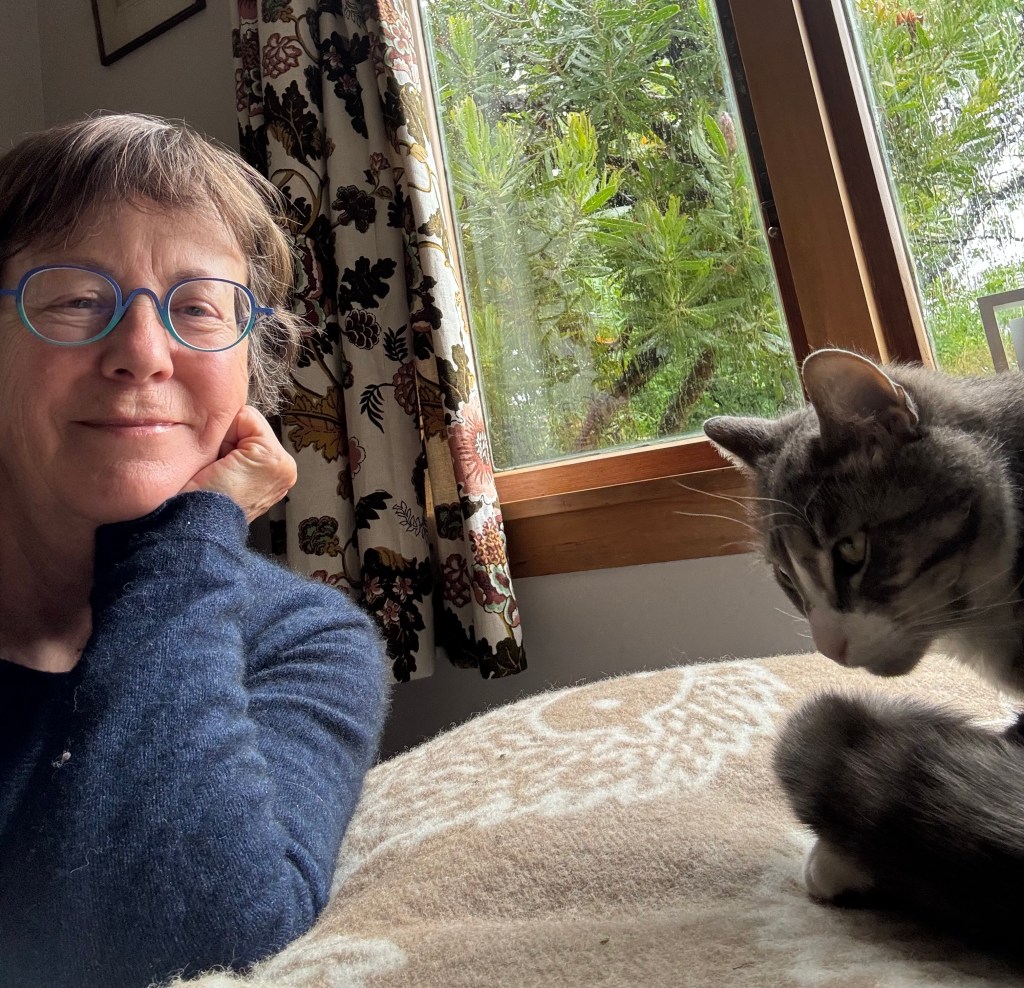
The assistant fitted the glasses and adjusted them, then did the same for my prescription sunglasses which can be uncomfortable over the nose. After that, I indulged in a Belgian waffle at the Waffle Haus across the street and got my strength up for the rainy, windy walk home. Just as well: I had to hang on to my umbrella with both hands. (What’s more, I discovered my socks were damp when I got home. My waterproof ecco shoes are no longer waterproof – but they’ve had pretty solid use since 2018 when, on one occasion, I wore them on a boat to see puffins at the top of Norway*.)

The rounder shape of the frames gives the progressive lenses more scope, I think, and I’m hoping for improved performance when I’m reading or using the computer.
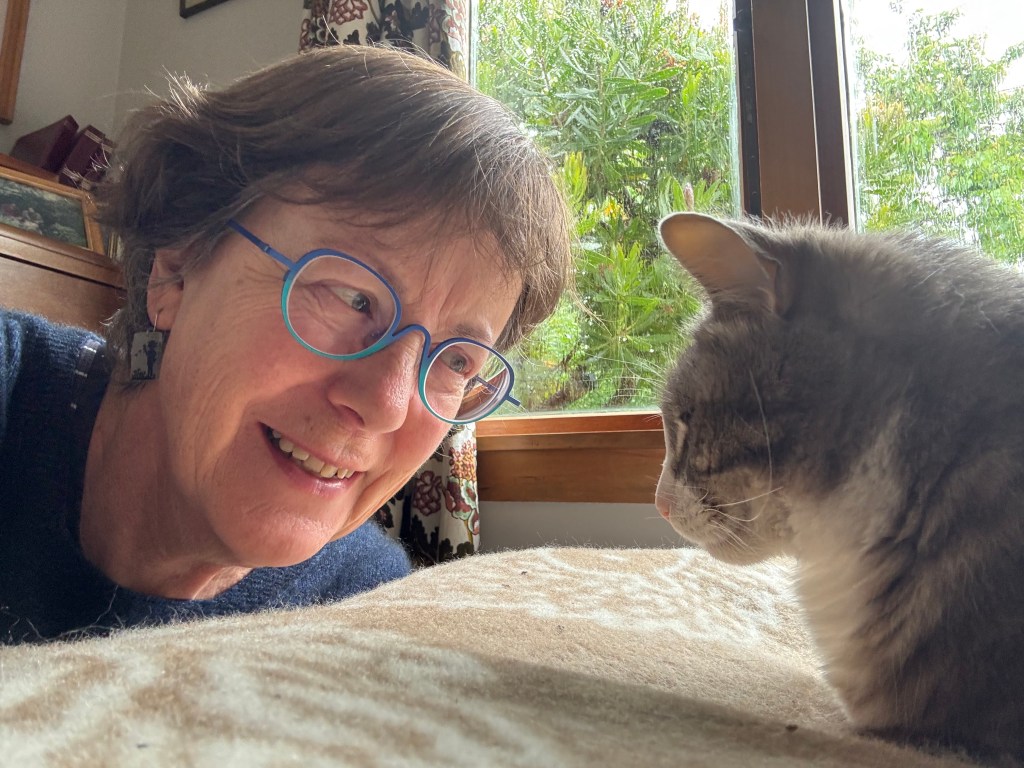
What do you think, Felix?

Felix is staying in today. I have put the fire on – in mid-November! The garden needs the rain.

*This reminds me of a game my friend and I played on our OE in 1981 when in Paris staying with a couple we’d met in Barcelona. The game was a bit of a competition about where our shoes had been. It began with: “These shoes have been on Machu Picchu,” I said. “These shoes have been on the Pyramids,” said our host, Elisabeth. Etc. She had been a ground steward for an airline and had the task of taking famous people – including Marlon Brando – sight seeing. I think she had the edge … or maybe it was a draw!

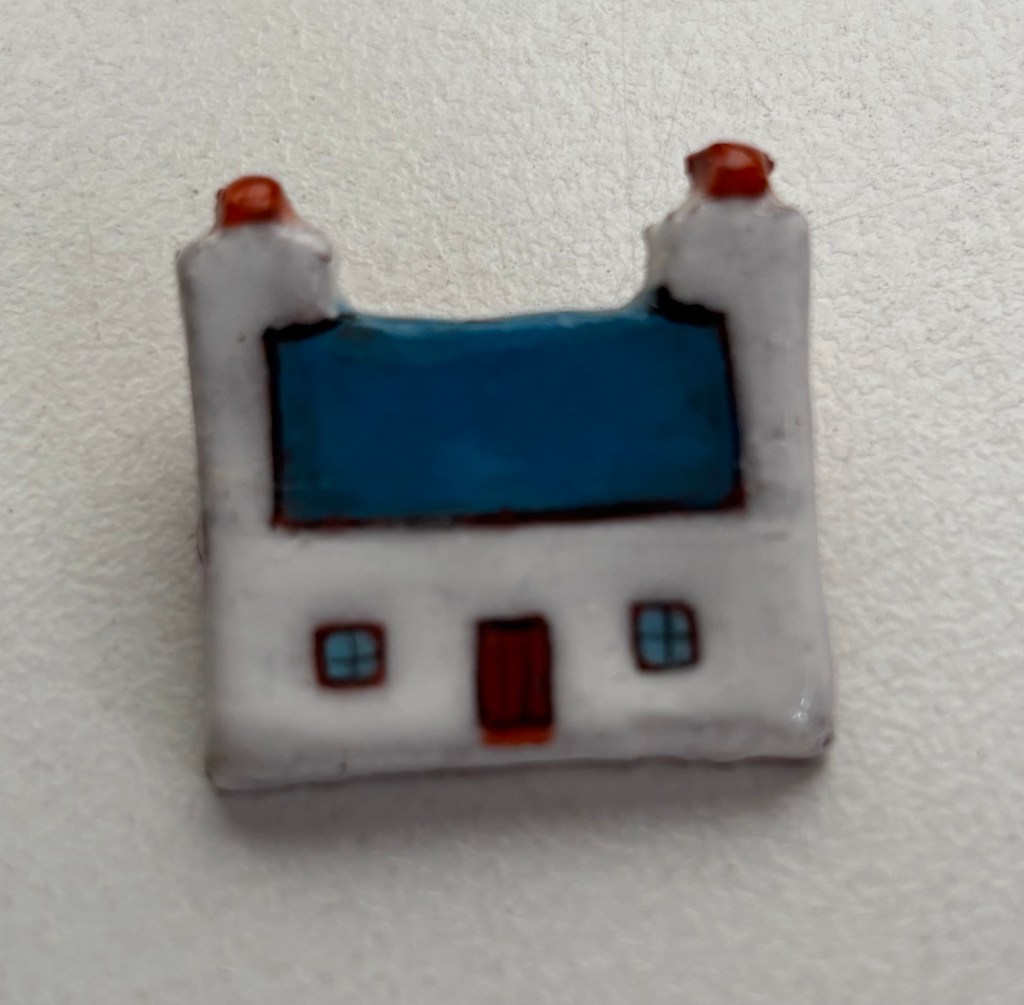
Cottage chic

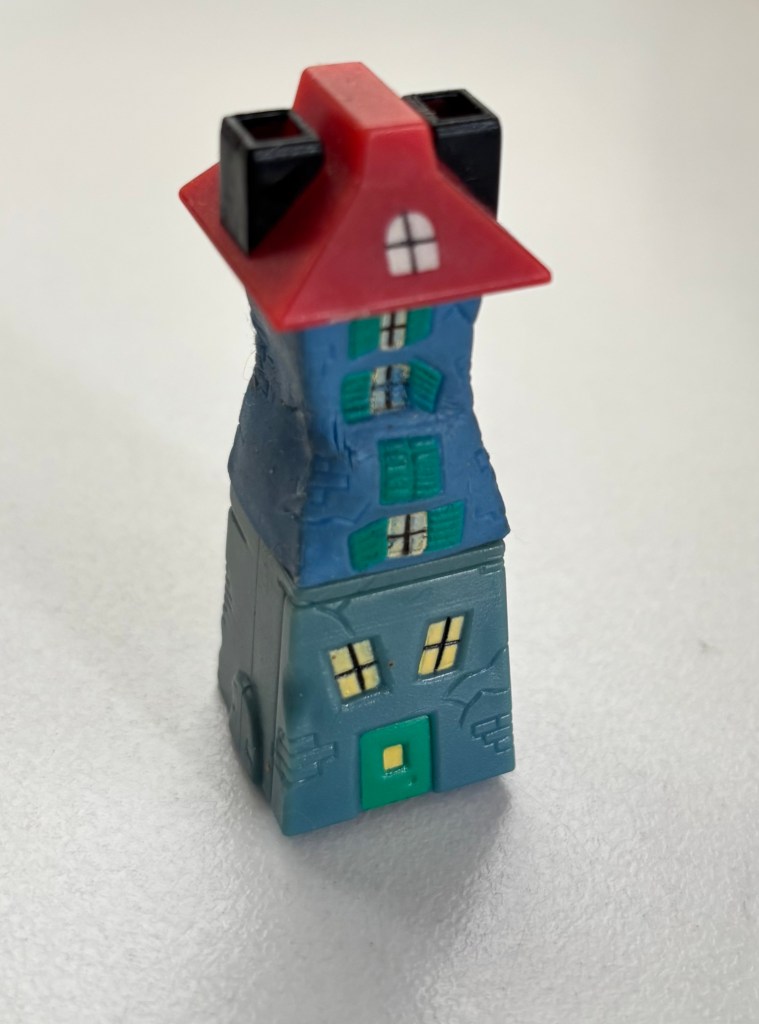
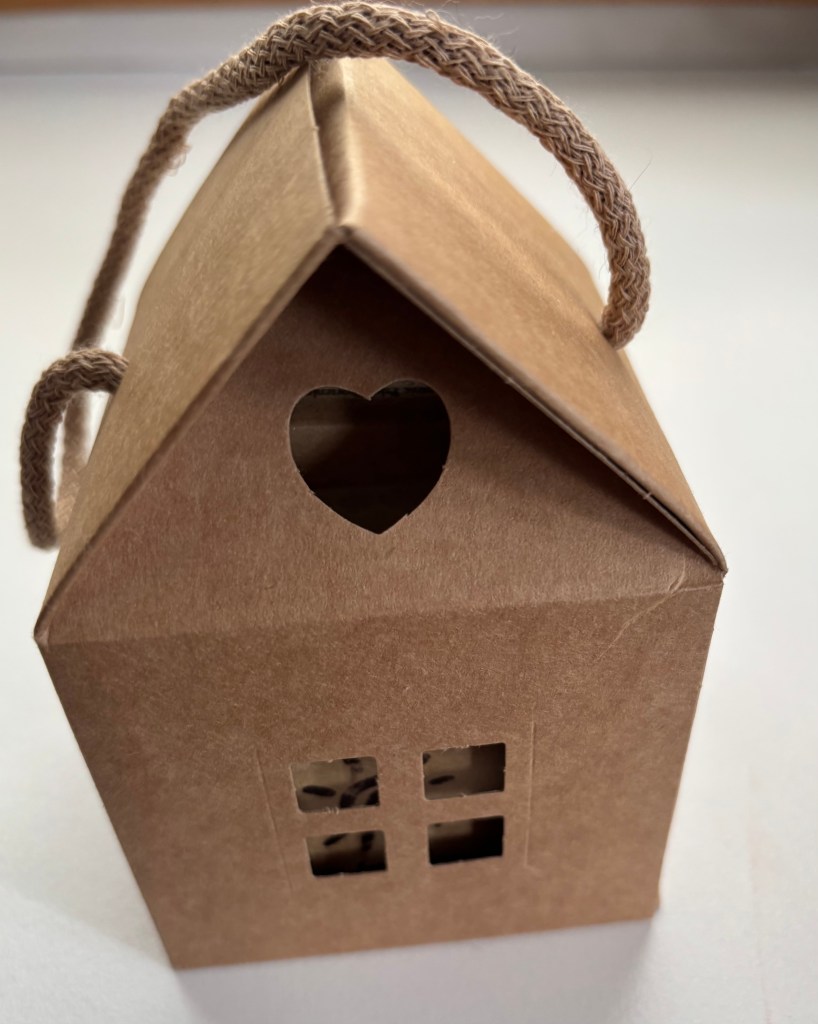
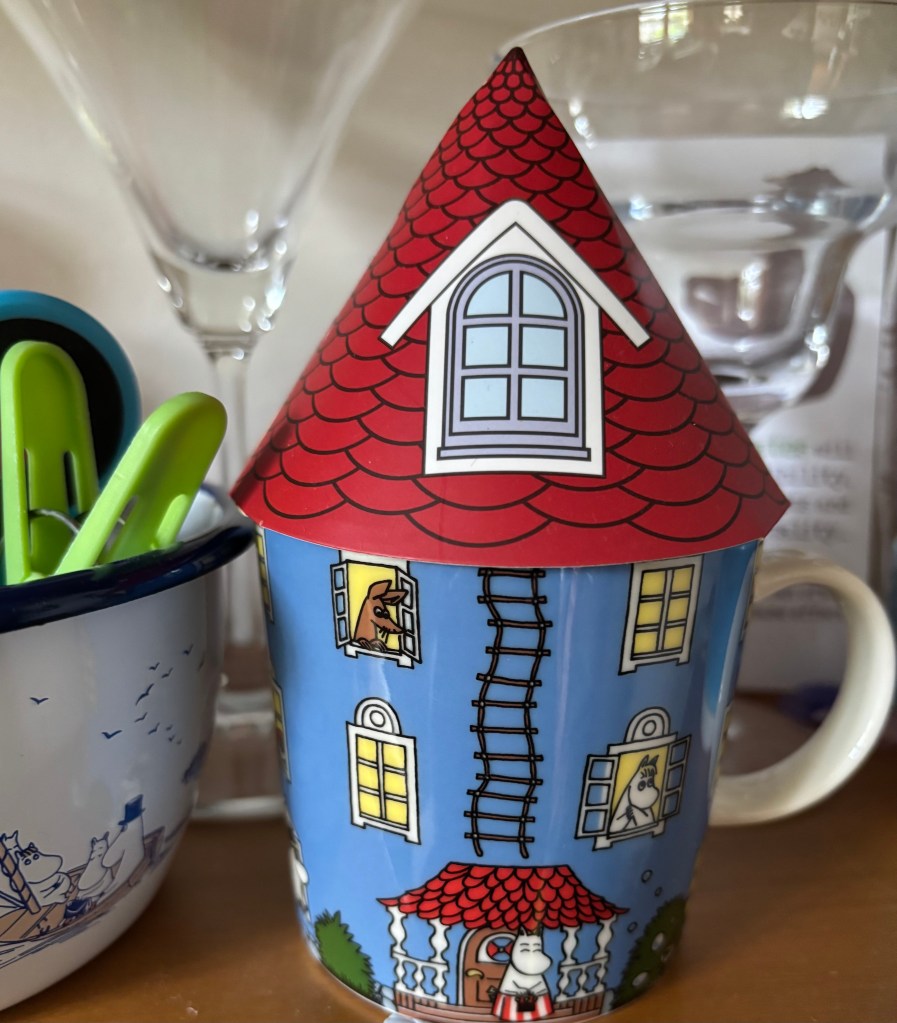
Now I’m seeing evidence of cottages everywhere in my house.

And then there are the many miniatures – a sort of ‘cottage chic’.

It’s no wonder that my brother said, on Friday, that he hopes he dies before I do so he doesn’t have to clear out my house. That comment prompted me to weed my bookshelves in the weekend and give away two boxes of books. I expect he won’t notice the difference!

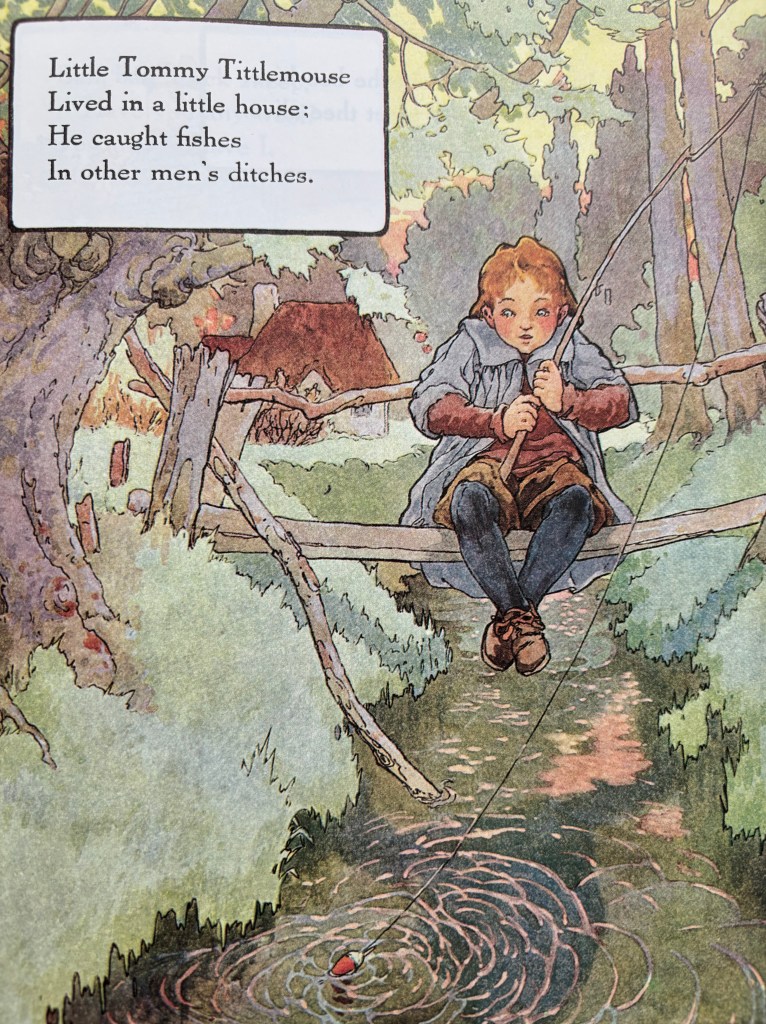
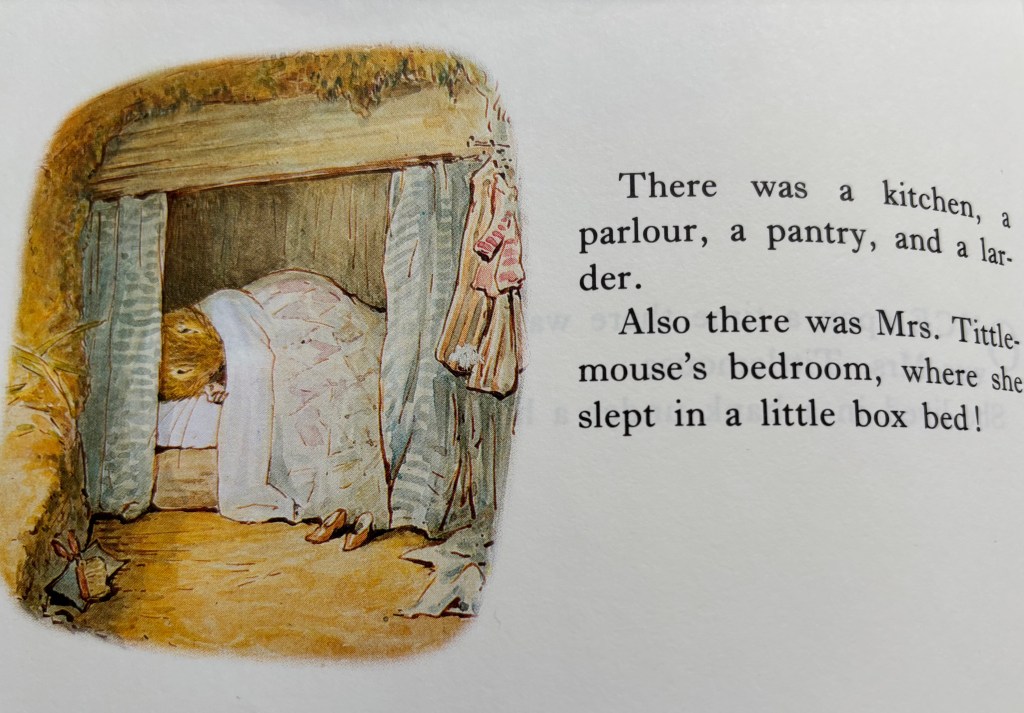
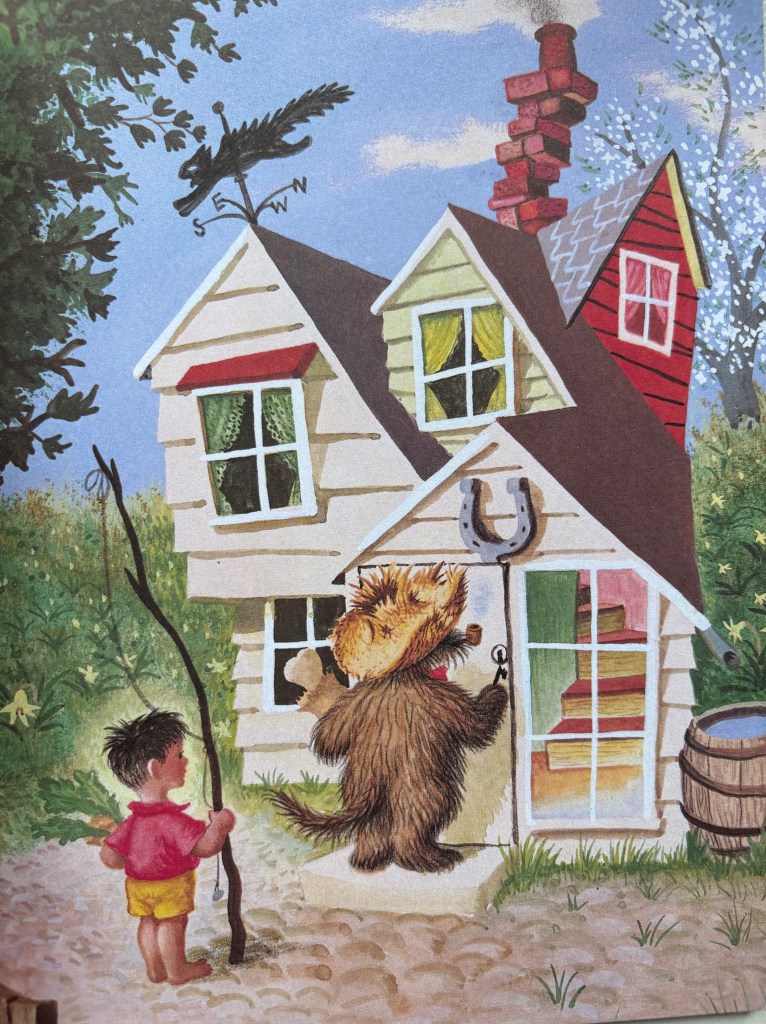
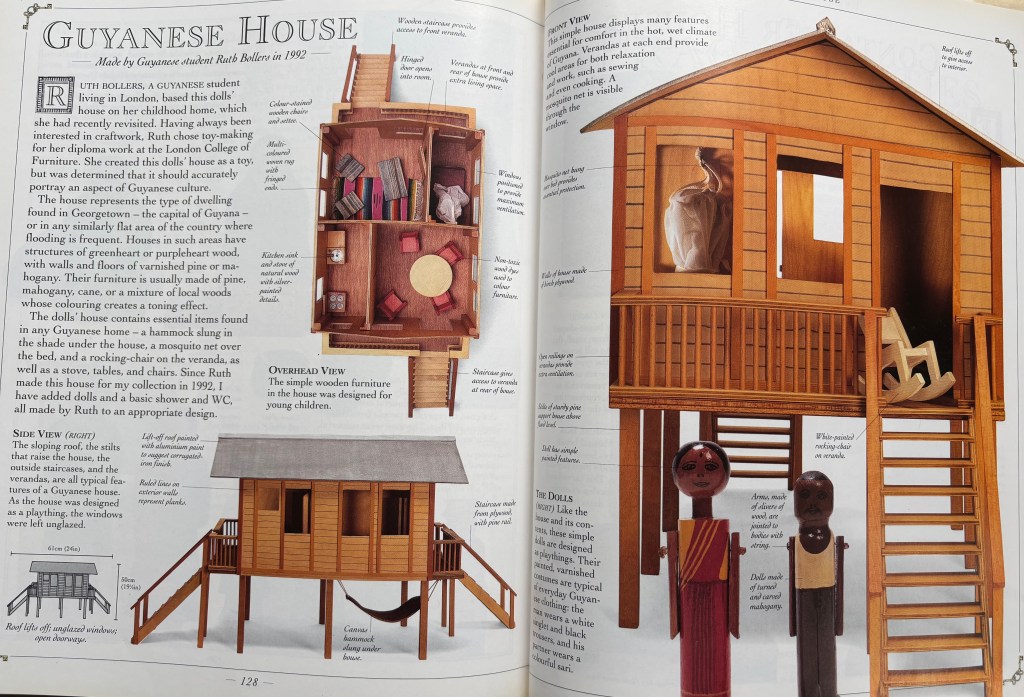
I suspect childhood reading was the source of my fascination with cottages. These pictures are from books I won’t be giving away.

Books with cut-away interiors intrigue me, such as the last photo (above) of a neolithic French rural cottage. As Katherine Mansfield wrote in The Doll’s House: “Why don’t all houses open like that? How much more exciting than peering through the slit of a door into a mean little hall with a hat-stand and two umbrellas!”

My favourite childhood book was Miss Happiness and Miss Flower by Rumer Godden. In it, a Japanese dolls house is built, similar to the one in my copy of The Ultimate Dolls’ House Book by Faith Eaton, along with other interesting cottages, reminding me of the Folk Museum I visited in Korea which replicated the interiors of houses over time.

It’s not only children’s books which feature cottages. There are many books about women (or men, as in The Searcher by Tana French) who retreat to a country cottage to regroup and reshape their lives, with mixed success, such as in Falling by Elizabeth Jane Howard. Miss Marple lives in a cottage in the English village of St Mary Mead. Tove Jansson’s fictional family in The Summer Book live in a cottage on a Finnish island. Other authors have shown the disadvantages of the cottage: Jane Austen in Sense and Sensibility, Claire Fuller in Unsettled Ground. Still, somehow, the romance of the cottage lives on, whether it’s a place of retreat or a place to set out from on adventures.

Views from the sea

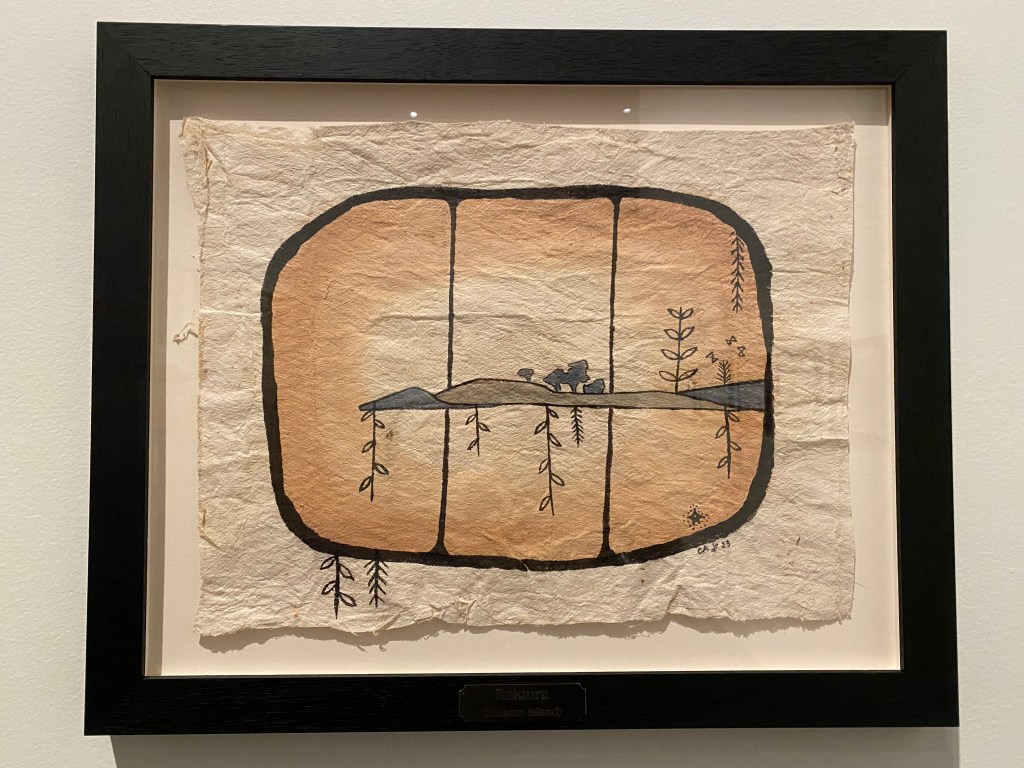
Rakiura

The artist featured in the exhibition Encountering Aotearoa at the Christchurch Art Gallery Te Puna o Waiwhetū is Cora-Allan Lafaiki-Twiss (Ngāpuhi, Ngāti Tumutumu, Nuie – Liku, Alofi). I am fascinated by her work. She went by boat around Aotearoa to look at the land and sea. In part, this was to see the land as the crew of the Endeavour might have seen it – with Tupaia and his assistant Taiata on board – as they circumnavigated and mapped the land. Cora-Allan asked her pāpā, Kelly Lafaiki (Nuie – Liku, Alofi) to accompany her as assistant on the journey. Videos screen on a wall, documenting the journey and the making of the work.

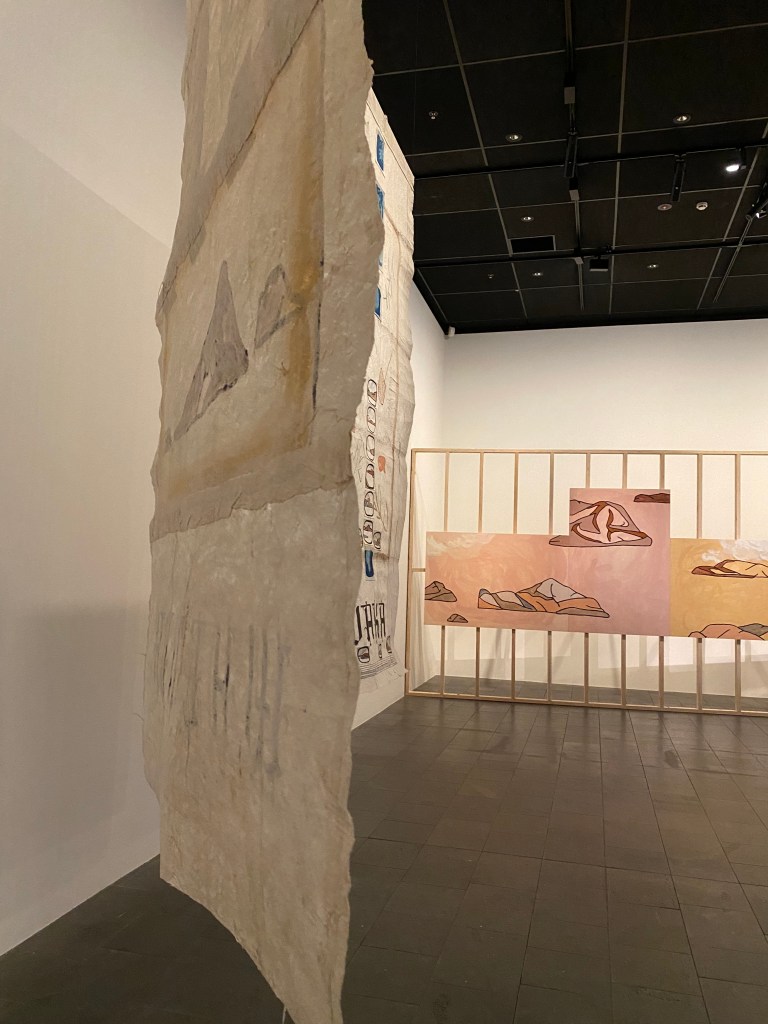
Frames around many of the paintings remind me of boat windows with their rounded edges and toughened glass. The artist uses hiapo, traditional mulberry bark paper often known as tapa cloth. It was soaked in sea water in each place a work was created. I looked at the back of the hanging paintings and could see where the sheets of paper had been joined and I could appreciate its texture and thickness.

Hiapo, mulberry bark paper, is used for the art works

The pigments used are from the whenua (land). So the making of the work is as fascinating as the paintings themselves. In a glass case, are some sketchbooks and a marvellous wooden toolkit which folds out, with a sliding drawer in the base and a leather handle. This would have been ideal when working from a boat.

A panoramic sea view on panels stretches across the gallery space on a wooden frame.

In the entrance to the exhibition, these islands seem to float on the grey/blue background.

Large hanging paintings lead you further in. The details are intricate and significant, with traditional and contemporary elements, and the photos don’t do them justice.

Maunga (mountain), Moana (sea), Whenua (land) and Waka (boat)

I look forward to visiting the exhibition again.

Post Script: I particularly liked the painting Rakiura. Later, I realised I was wearing a Glowing Sky jersey which seemed appropriate being a brand named for Rakiura (Stewart Island) with its views of the southern lights or aurora australis.

Wombat adventures

As I picked up my paper at my gate this morning, a woman walking her children to school came over to thank me for the books I’d given them a couple of weeks ago. She said her daughter particularly liked the one written by the same author who wrote the wombat books. “I’ve got those books,” I said. “So have we,” she replied.

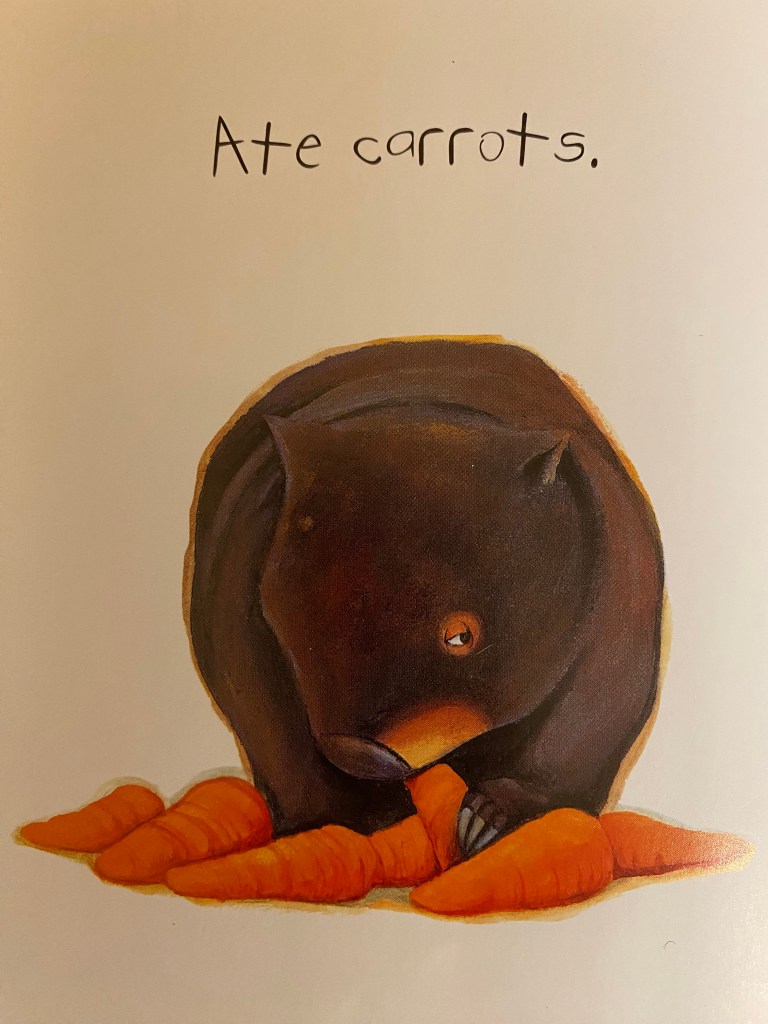
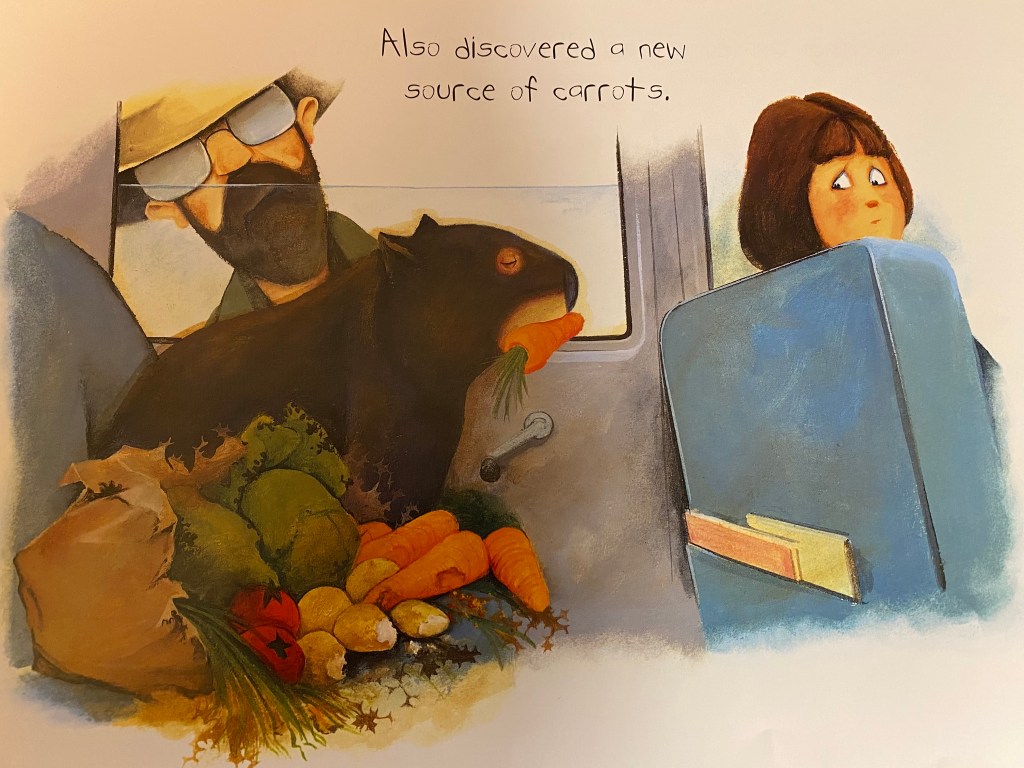
The wombat books are by Jackie French, beautifully illustrated by Bruce Whatley, and are based on the true story of Mothball the wombat who takes up residence in a backyard. Imagine having a wombat battering down your back door demanding carrots! In the second book, the residents’ toddler befriends a baby wombat.

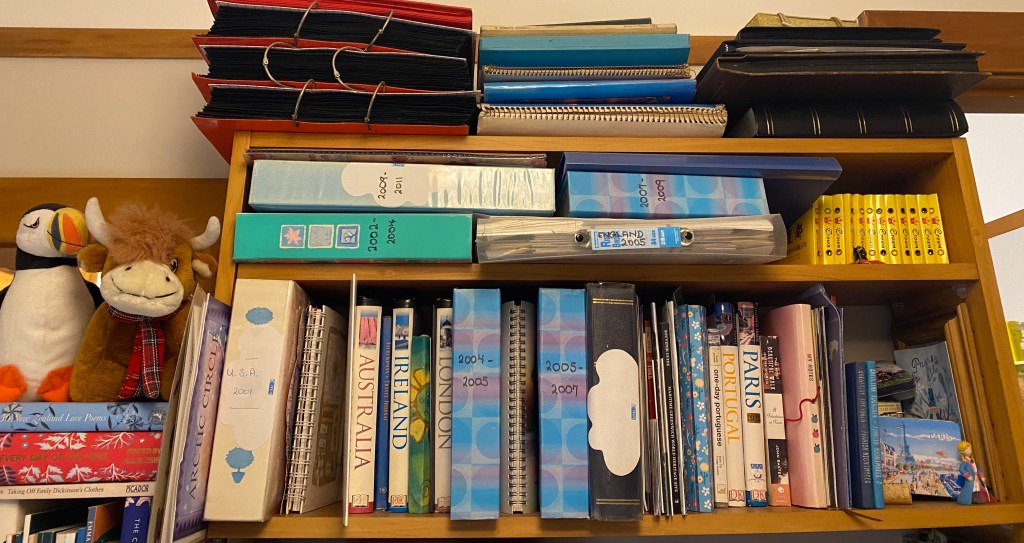
I am pretty sure I bought the first wombat book in Australia. My trip to Adelaide and Melbourne was in September-October 2003. The book was published in 2002, so it is likely I did. I definitely bought the plush toy wombat there. It sits on the top of my computer screen.

I looked out my travel journal. I found myself immersed in it and read the whole thing.

I have a couple of shelves for my travel photos and journals. As you can see, I have bought plush toys from other countries as well. The homemade red and black albums on the top are of the 1981 OE (from South America to Europe to Canada), the yellow albums are of China Dec 87-Jan 88. The most recent journal is of Scandinavia, France and Portugal 2018 – the albums are digital; some are on this blog – in fact, that 2018 trip was why I started blogging, not intending to carry on afterward! Every now and again, I will get out a journal and relive the experience.

I sat reading in my egg chair today, watching the occasional plane flying high overhead and wondering why so many people choose to fly. The book I was reading was set in Sweden. Before I knew it, I was reading that journal…