What I learned

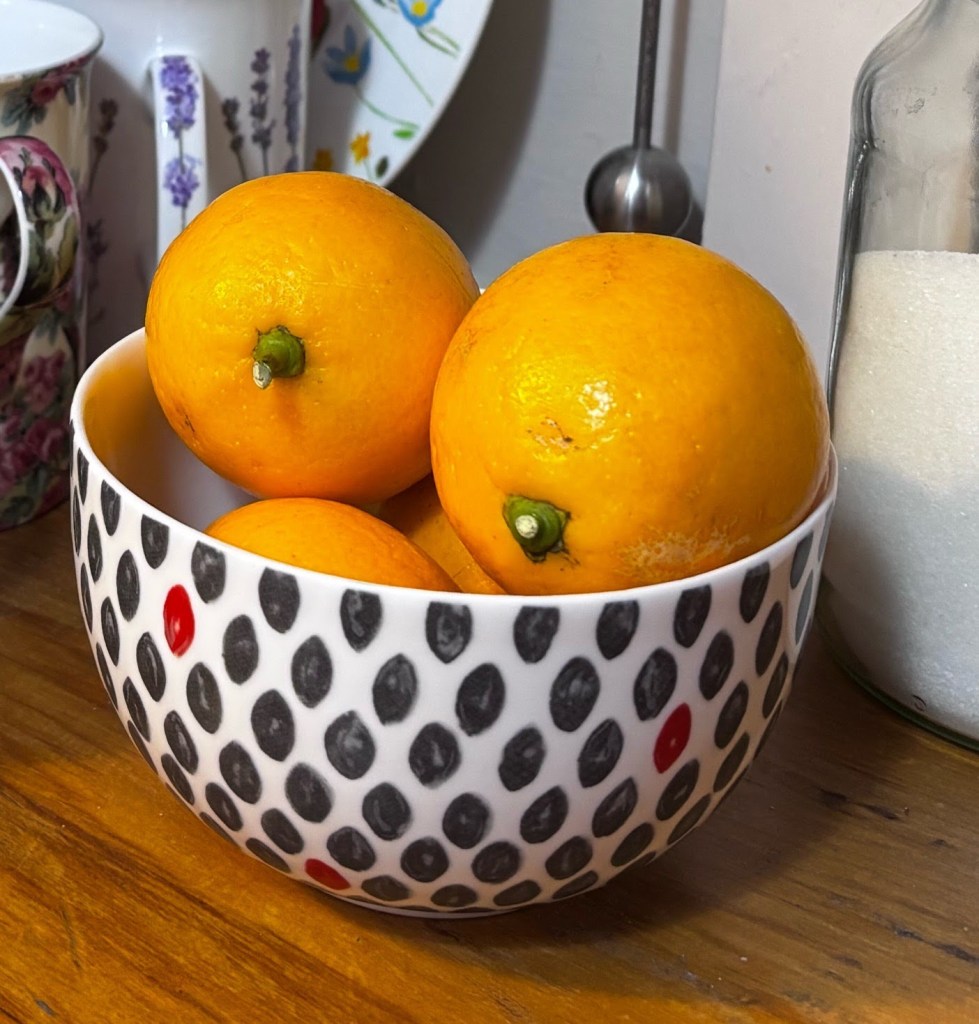
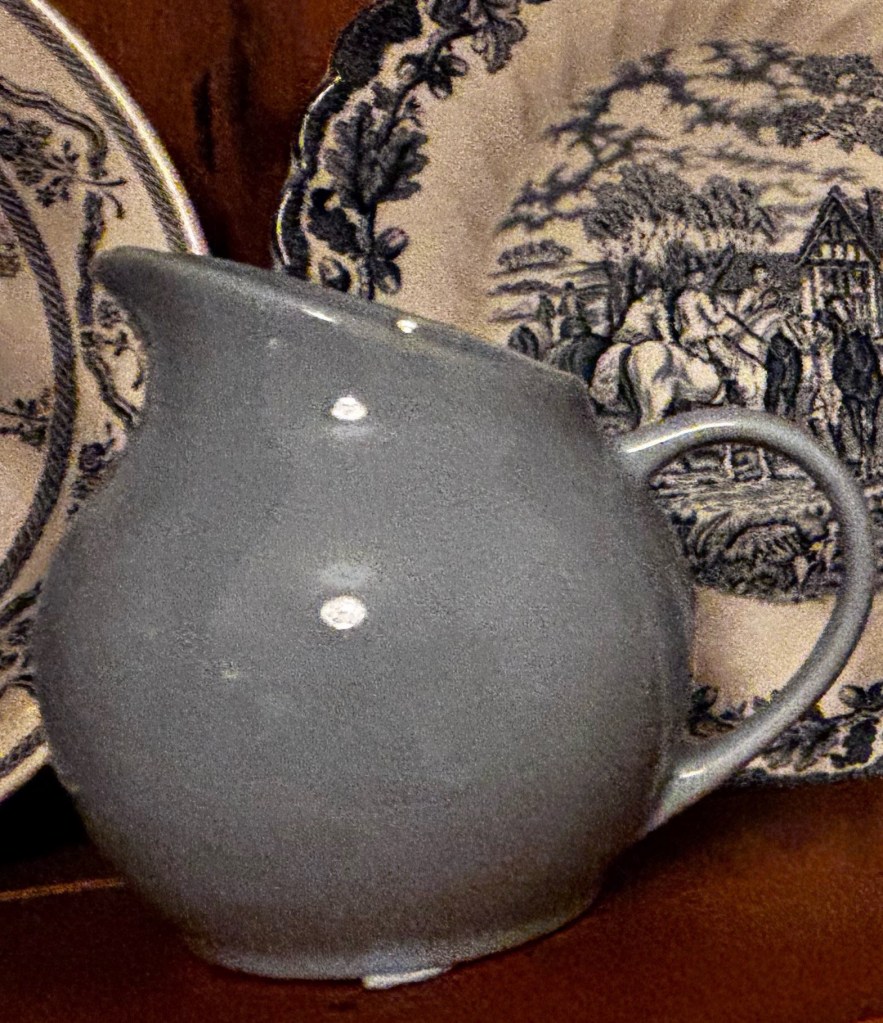
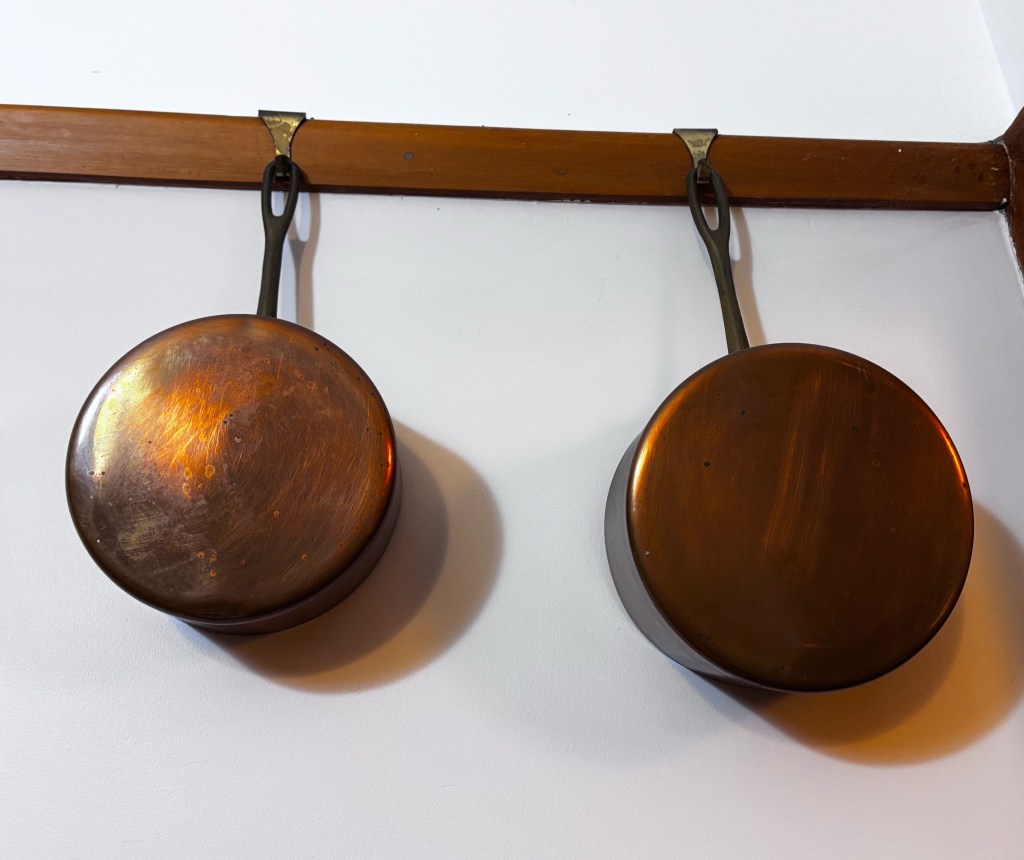
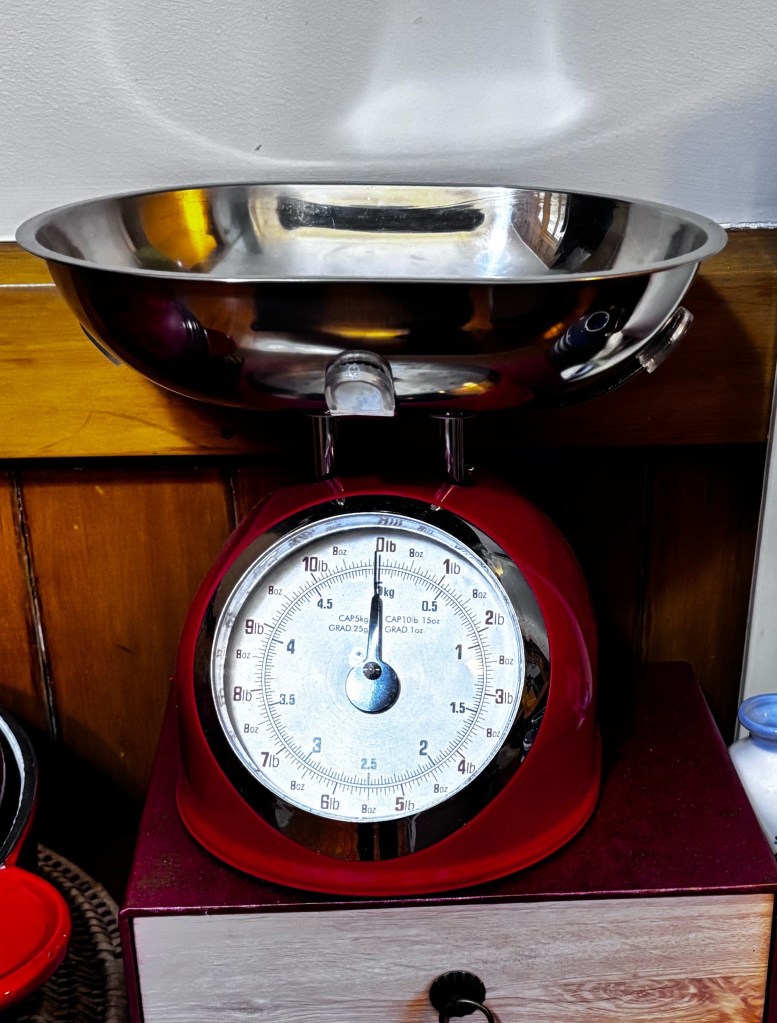
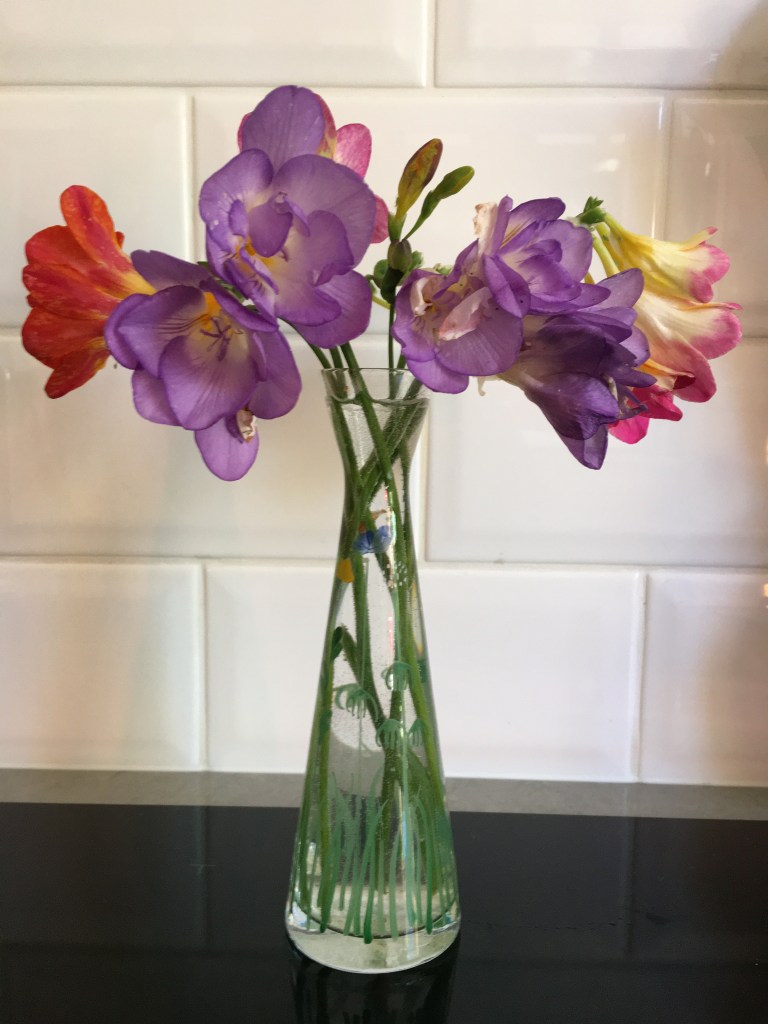
By the end of the day (yesterday) I had learned a few things from my ‘home schooling’. While I missed the exercise of getting to class and the social interactions, I enjoyed the quiet, the space and, especially, not having to pack up after two hours. I was able to concentrate and consider how the eye sees. I spoilt the watering can sketch with too much detail*, but was pleased with the light, shadow and texture of the copper pot. The jug (sideways) was … ho hum. Often when I take photos I am disappointed with the result, which makes me aware of how the eye sees differently from the camera. A sketch or painting, on the other hand, can focus on what the eye – and even the mind – sees.

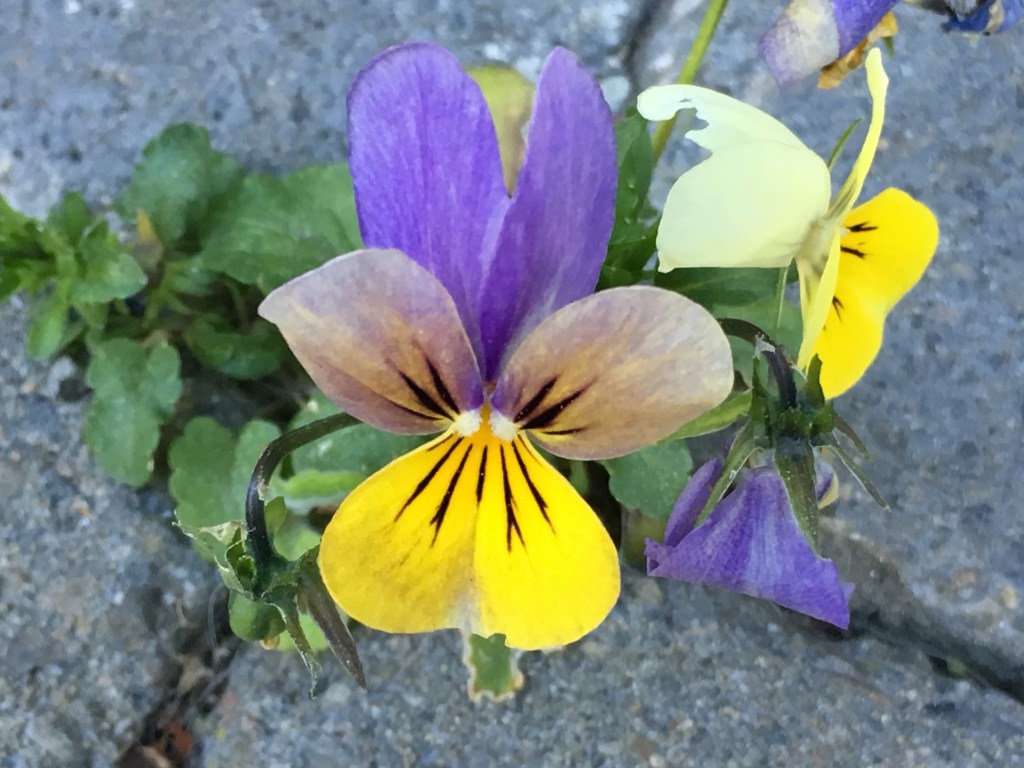
A day of painting has sharpened my perception of things around me: what pleases me about objects in the house, and the forms and shadows in the garden. It has increased my appreciation of the work of artists – how they fill the frame and use light and shape, and what they are seeing.

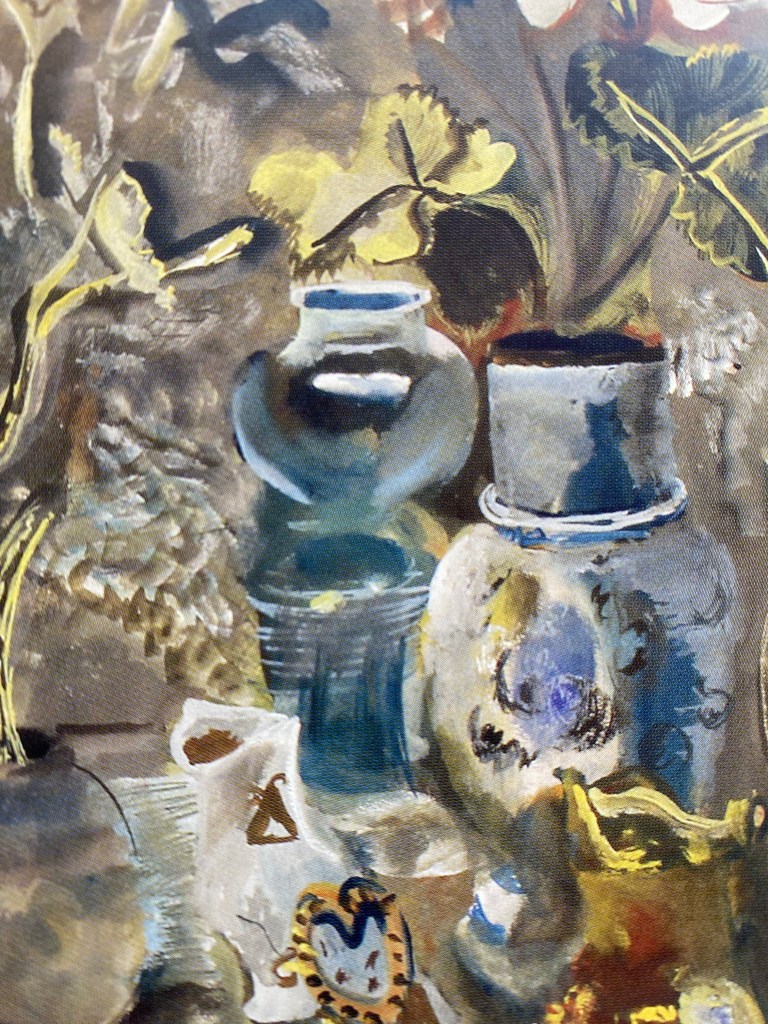
Ornaments by Frances Hodgkins, 1942. Gouache on paper, 565 x 384 mm. Auckland Art Gallery Toi o Tāmaki

‘Ornaments’ by Frances Hodgkins is very busy. The domestic objects on the windowsill begin to merge with the wilder outdoors, so that it becomes not just a painting you look at but a conversation inside your head. I know from her earlier work that she is capable of realistic and perfectly proportioned work with correct perspective. That she chooses not to worry about that so much in her later paintings gives a clearer idea of what she is seeing.

I don’t aspire to be Frances Hodgkins (well, maybe I do!) but she is often in the back of my mind when I sketch and paint. I can learn from her.

*This brought back a sharp memory from high school art class where I painted and painted so much on one painting that to me it looked drowned and oppressive. The art teacher (Valerie Heinz, known for her own work) was very nice about it, but I was deeply disappointed. It didn’t match what I saw in my head.
Wagging school

Having read an article about truancy in The Press this morning, here I am not going to my 10 o’clock watercolour class. My reasons aren’t as tragic as those of students who don’t go to school, just a feeling that I’ve made a mistake enrolling in this class – although at least the two sessions I have been to so far suggest that it isn’t working for me. (Nothing to do with the very helpful and expert tutor.)

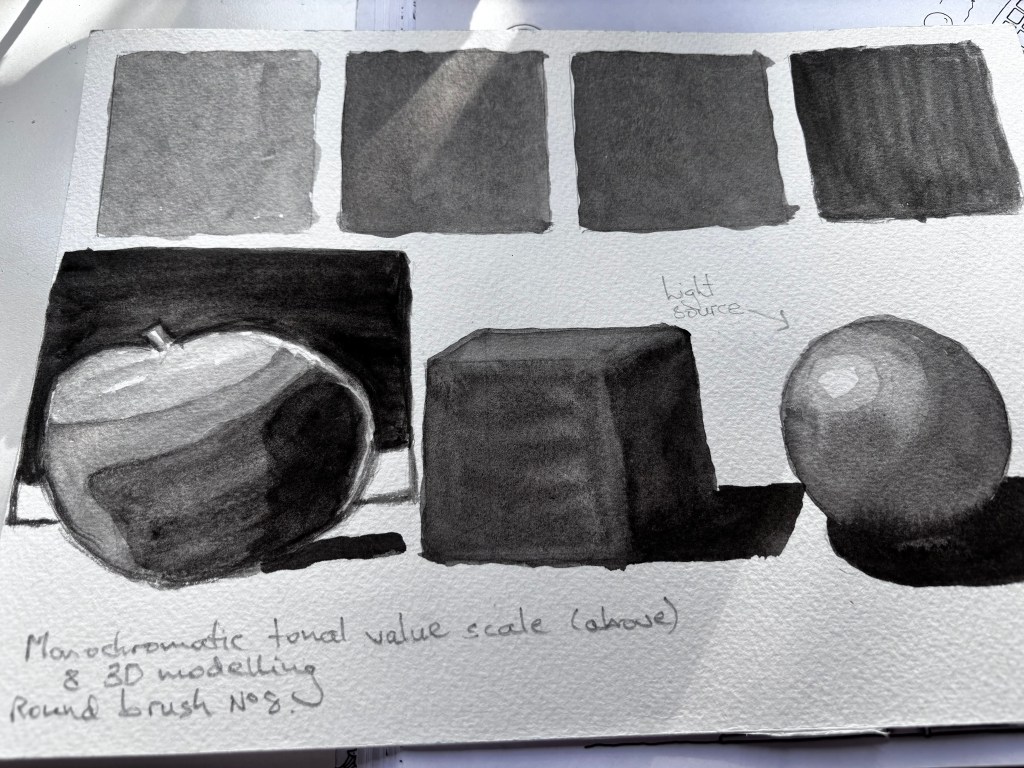
Last night I packed my bag and took some photos to use in today’s class on monochromatic tonal value scale and 3D modelling which I enjoyed last time I did the course three years ago. I was too sluggish to get through this morning’s chores (including two loads of Mum’s washing which is a task fixed to a Monday, somehow) and get there on time, even though I managed it last week.

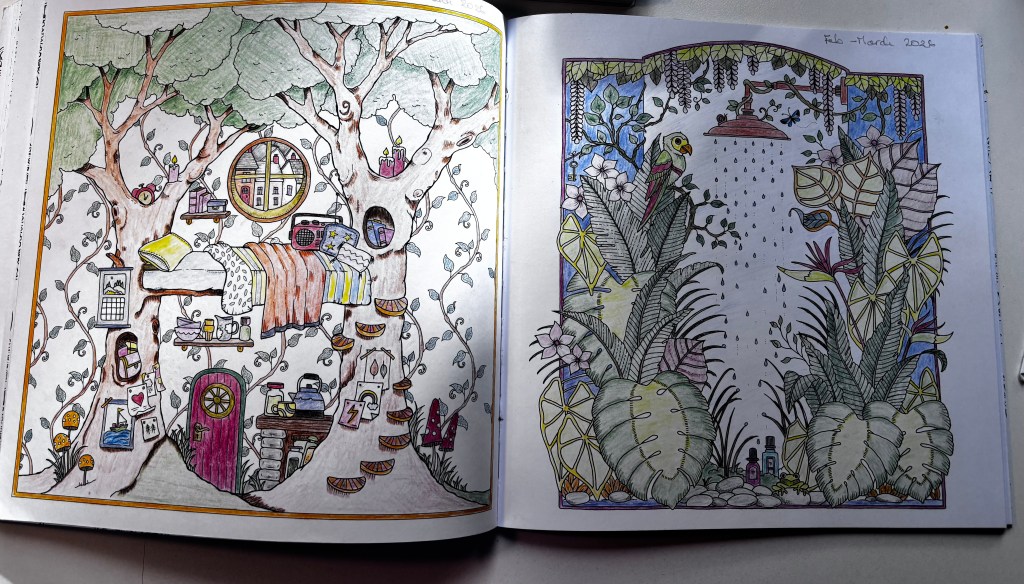
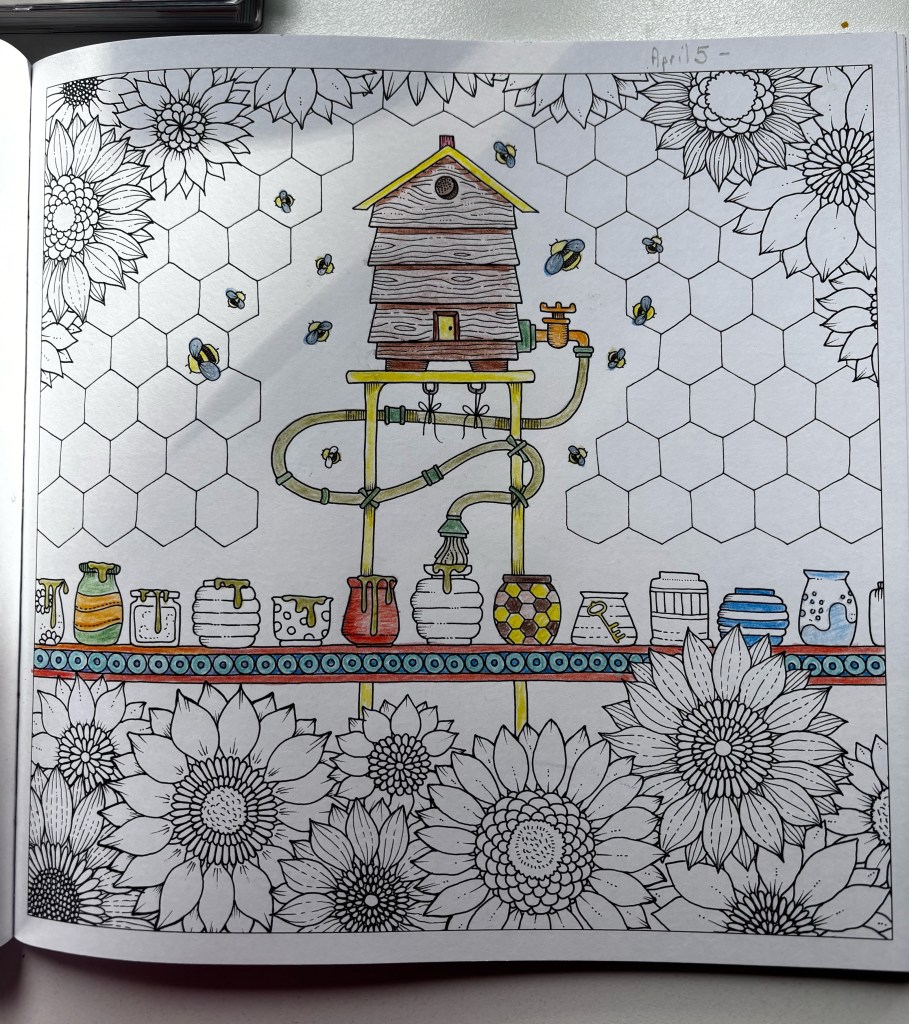
My desk is clear of the watercolour gear I’ve packed in my bag, and there is the colouring-in book I haven’t looked at for ages. I feel a little frisson of delight looking at what I’ve completed this year, and there is one partly done. Perhaps that will be my artistic outlet! A bit like my retreats into cosy crime instead of those ‘serious’ books which too often (but not always) are put aside. (Speaking of which, in the process of weeding books from my shelves yesterday, I re-discovered a book about the Anglo-Saxons and have it open on my desk ready to read.)

Writing this post has been like giving myself a ‘talking to’. Time to persevere with the harder options, perhaps?

Calming watercolour

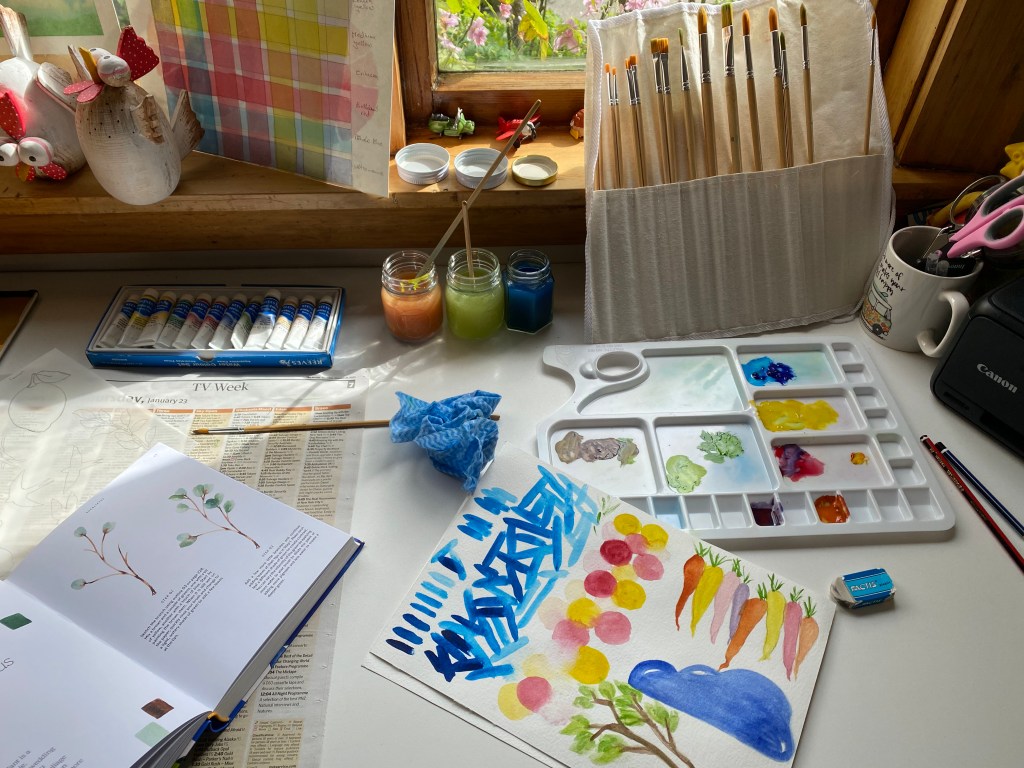
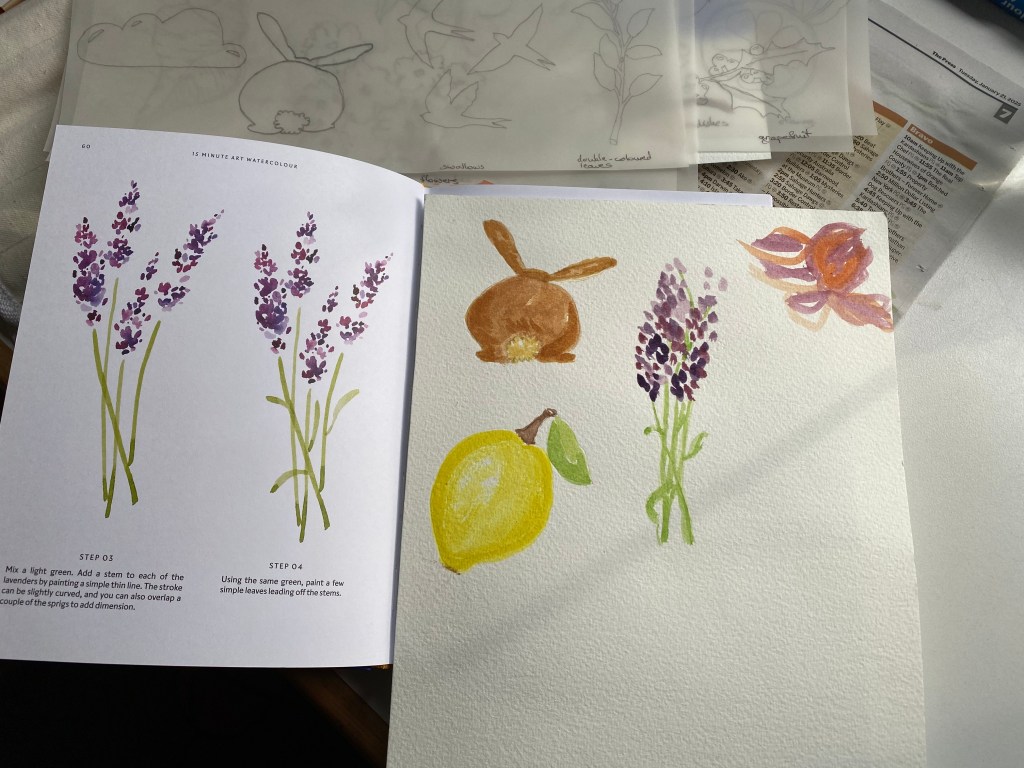
Finally, I found a space in my busy (!) afternoons to begin watercolour painting again. I’m pretty crap at it, but found that the greatest benefit was how calming it is to do, and time passes very quickly as I dabble away. My brush strokes are too heavy, the colours too dark and the book makes it look too easy! Yet it is enjoyable, almost meditative.

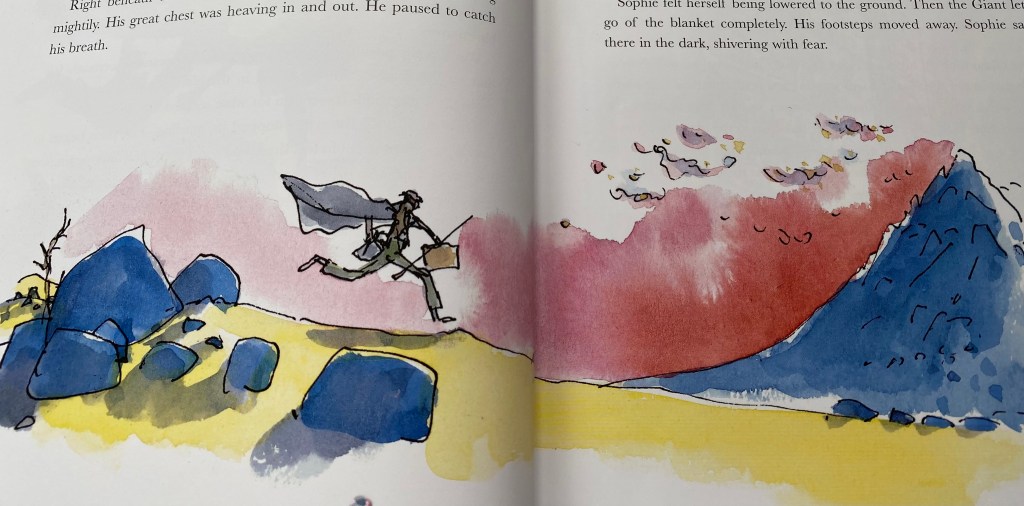
The carrots turned out quite well, probably because I drew the shapes first. Maybe I’m just better at colouring in. The cloud is a blob and the eucalyptus lacks the delicacy of the illustration in the book, to put it mildly. Perhaps drawing the lines first would be a good idea. I noticed that Quentin Blake does that with his illustrations for the BFG, sketching first, then applying a wash of watercolour. I did a funny wee sketch on the beach this week in which the proportions of the Port Hills are all wrong and the edge of the sea just looks weird. I quite like the little figure of the dog walker though, even if he looks as if he’s wearing an aqualung and the dog looks kind of pig-like.

Today’s efforts are similarly mixed. I gave up on trying to create the delicate petals of flowers but had greater success with a bunny and a lemon, both using previously sketched outlines. Colouring in may be the way to go!

Still Life

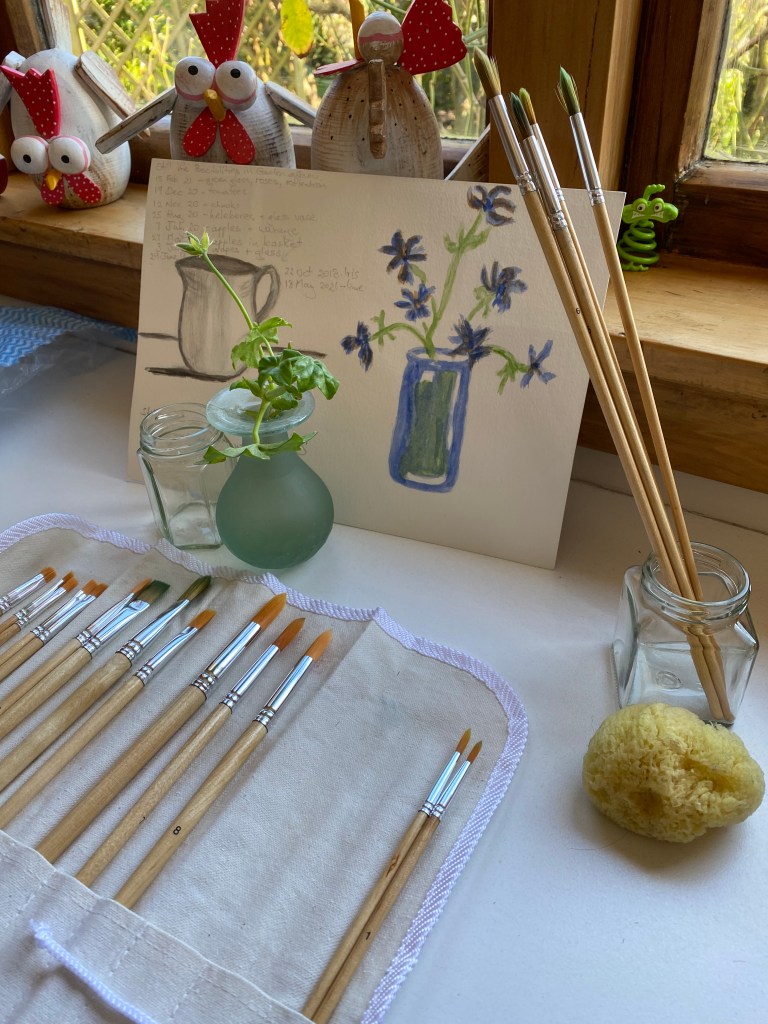
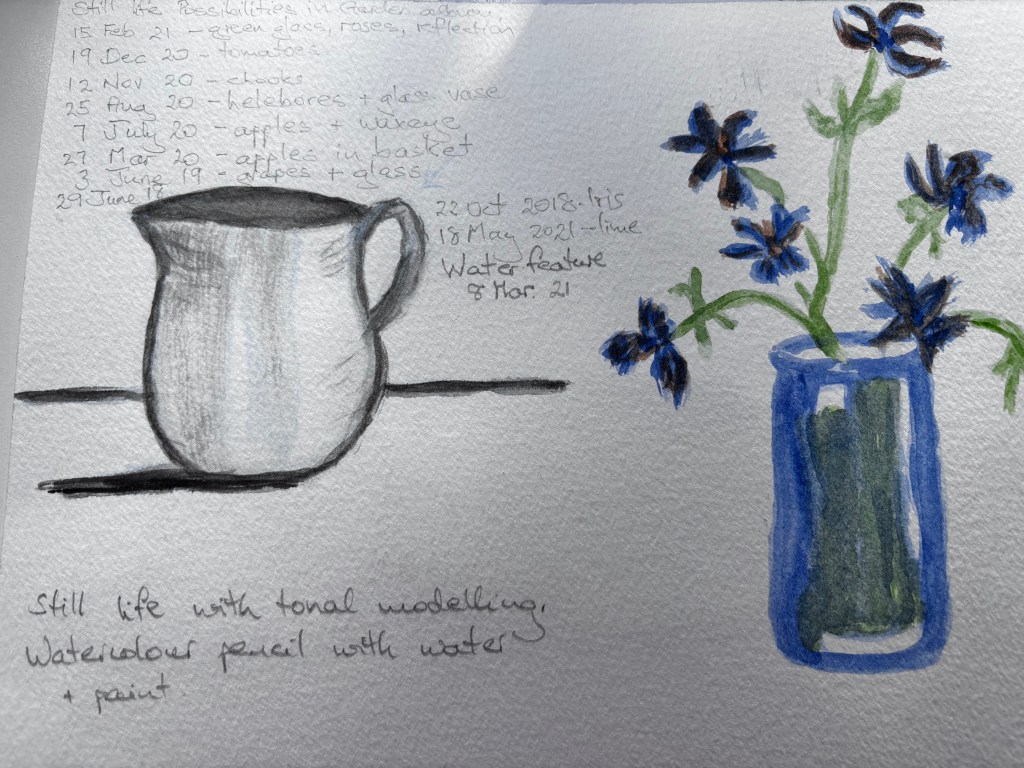
Blue flowers in a glass jar, copied from a book.

The second session of watercolour painting yesterday went better than the discouraging first. I was slightly better pleased with my effort, having decided to attempt still life images with flowers and the shapes of vases and jugs. The translucency of glass interests me – with inspiration from Frances Hodgkins.

Well, I will have fun trying anyway!

The shapes of chickens might be achievable as well, such as these images which appeared on the windows on a frosty morning in the weekend. I had moved the decals a few times and the shapes were revealed in the condensation on the glass.

There’s a lot going on this Frances Hodgkins painting, but you may be able to find the chooks in there. I suppose you would call this a busy scene as opposed to a still life.

A Barn in Picardy, 1914

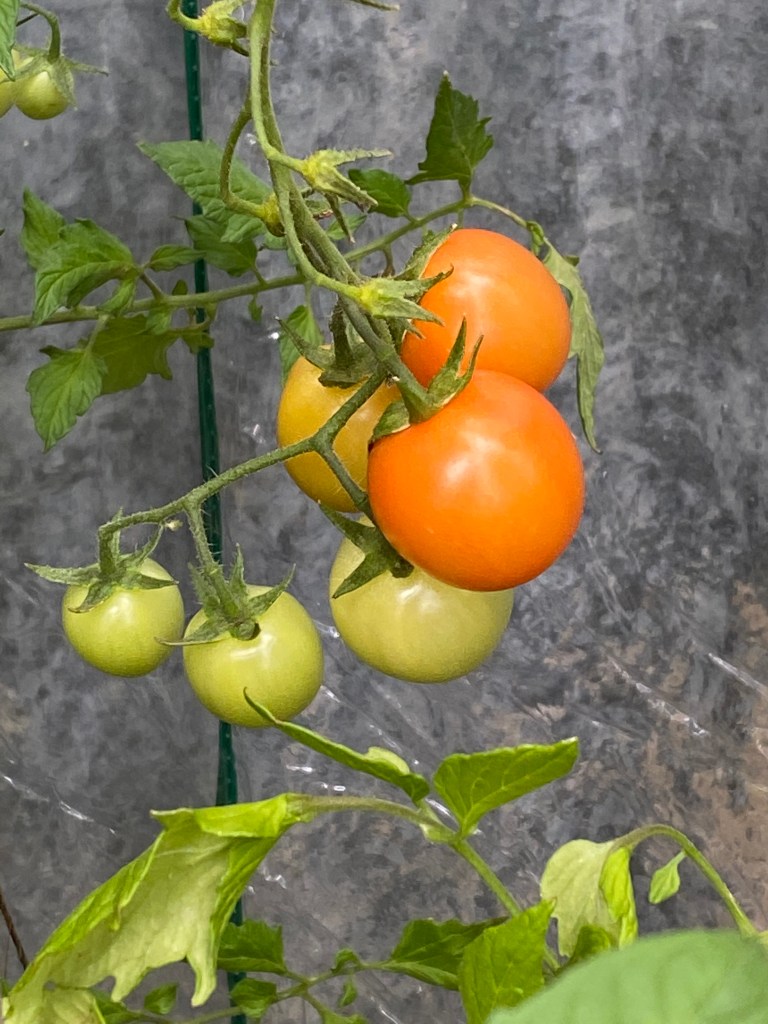
A number of ‘still life’ photographs I have taken at home and in the garden could be useful for inspiration, but I suspect some things are better left as photos!

Here’s a very faded print of the ultimate still life which points out that all our efforts are in vain – which gives me an idea: I could attempt visual metaphors. A dead bee beside the vase of flowers…

Edwaert Collier, 17th Century